
Benzodiazepines are at their peak popularity in 2026. From reducing anxiety, inducing sedation, to relaxing muscles, and controlling seizures, they are in demand in the UK and other nations for their high effectiveness.
Benzodiazepines work by increasing the effect of GABA (gamma aminobutyric acid), a neurotransmitter that slows nerve signaling and produces calming, sedative, and anticonvulsant effects. Medically, this drug class is used for anxiety disorders, insomnia, muscle spasms, seizure management, alcohol-withdrawal symptoms, and short-term procedural sedation.
The main types of benzodiazepines are short-acting, intermediate-acting, and long-acting, classified according to how quickly they act and how long their effects last in the body. Common benzodiazepine medications include Diazepam, Lorazepam, Alprazolam, Clonazepam, Temazepam, and Oxazepam.
Diazepam is widely used for anxiety, muscle spasms, acute seizures, and alcohol withdrawal, and in the UK, it is typically obtained through licensed pharmacies with a valid doctor’s prescription due to controlled drug regulations.
What is Benzodiazepine?
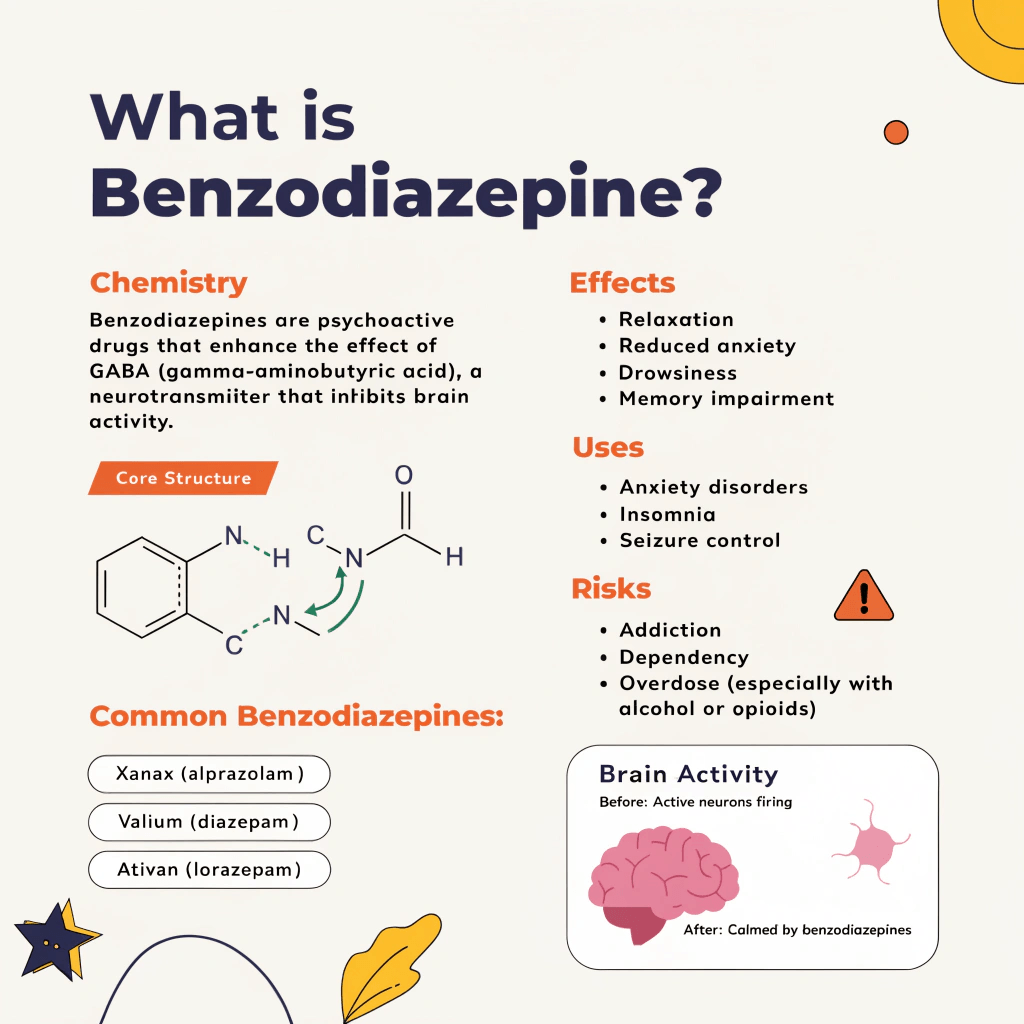
Benzodiazepines are a prescription sedative drug classification that acts as a CNS depressant, meaning it slows down brain and nervous system activity by enhancing GABA signaling to reduce anxiety, induce sedation, relax muscles, and control seizures.
According to a large Bayesian meta-analysis covering 122 clinical trials (15,760 participants), benzodiazepines produced significant improvement in anxiety symptoms compared with placebo; faster symptom improvement was observed within the first week of treatment.
According to psychiatrist Dr. Tracey Marks, “Benzodiazepines work quickly to reduce anxiety symptoms but are generally intended for short-term use because long-term use increases the risk of tolerance and dependence.”
First discovered in 1955, benzodiazepines are produced through controlled pharmaceutical chemical synthesis of benzene-diazepine compounds. Once taken, they enhance GABA activity in the brain. This produces the calming effects typical of CNS depressant medications, which is why their prescription status is restricted to supervised use in most countries.
What is the History of Benzodiazepines?
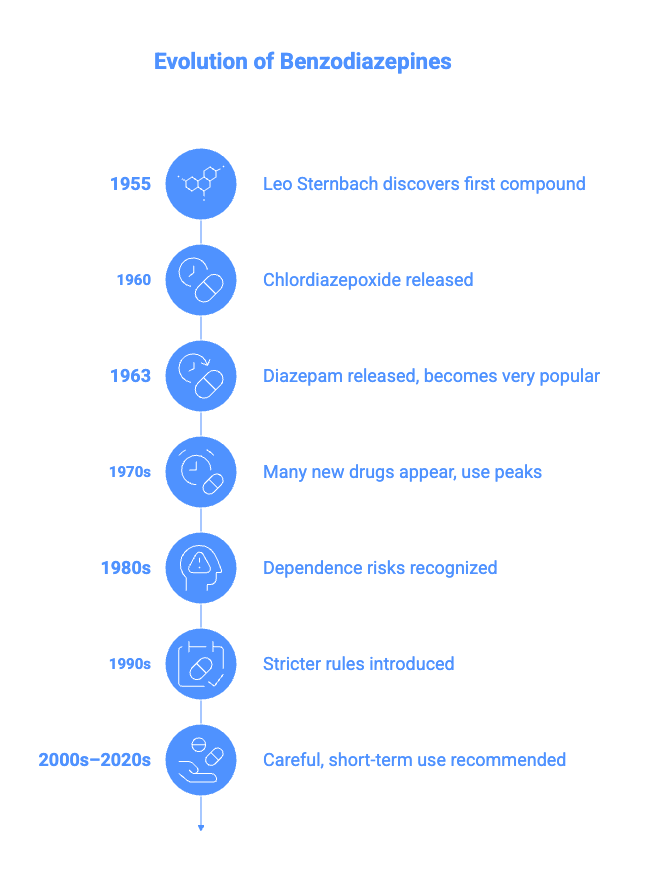
The history of benzodiazepines began in 1955 when chemist Leo Sternbach at Hoffman-La Roche developed them as a safer alternative to barbiturates, aiming to provide effective sedation and anxiety relief with improved safety.
Benzodiazepines were first introduced clinically with Librium (chlordiazepoxide) in 1960, followed by Valium (diazepam) in 1963. Both of these quickly became widely prescribed because they offered reliable anxiety control, muscle relaxation, anticonvulsant effects, and sedation with a lower overdose risk compared to earlier sedative drugs.
Benzodiazepines help patients by enhancing GABA activity in the brain, which slows nervous system activity and produces multiple therapeutic benefits such as anxiety reduction, sleep support, seizure control, and muscle relaxation. As their use expanded, benzodiazepines became well known to the public and medical community due to their rapid calming effects and broad medical applications
How Does Benzodiazepine Work?
Benzodiazepines enhance the activity of GABA, the brain’s primary neurotransmitter. By strengthening this signal at the GABA-A receptor in the central nervous system, these medications slow neural activity and produce calming and sedative effects.
Their mechanism of action involves binding to specific sites on the GABA-A receptor, which increases chloride ion flow into neurons, making nerve cells less excitable. This results in calming, sedative, muscle-relaxant, and anticonvulsant physiological effects that support several medical uses.
Depending on the specific medicine, benzodiazepines may remain in the body for different durations, with half-lives ranging from about 2-6 hours for short-acting agents to 20-50 hours or longer for long-acting drugs, meaning some effects can persist into the next day.
By reducing neural excitability through enhanced GABA activity, benzodiazepines help manage anxiety, insomnia, seizures, muscle spasms, and acute agitation while producing the characteristic CNS slowing effect associated with this drug use.
What Are the Medical Uses of Benzodiazepines?
The medical uses of benzodiazepines include the short-term treatment of anxiety, sleep disorders, seizure control, muscle relaxation, and the management of alcohol withdrawal symptoms under medical supervision.
The main medical uses of benzodiazepines are listed below.
- Anxiety Disorders: Anxiety disorders are conditions involving excessive fear or worry. Benzodiazepines help by quickly reducing nervous system overactivity and providing short-term relief from acute anxiety symptoms.
- Insomnia: For patients experiencing acute sleep difficulties, certain benzodiazepines can promote relaxation and help initiate sleep by slowing brain activity.
- Seizures and Epilepsy: Benzodiazepines help control seizures by enhancing inhibitory GABA signaling, which reduces abnormal electrical activity in the brain.
- Muscle Spasms: Benzodiazepines act as muscle relaxants by reducing nerve signals that trigger excessive muscle tension and discomfort.
- Alcohol Withdrawal: During alcohol withdrawal, benzodiazepines help stabilize the nervous system and reduce symptoms such as agitation, tremors, and risk of withdrawal seizures.
Are There Any Side Effects of Benzodiazepines?
Yes, Benzodiazepines can cause side effects ranging from mild to serious, especially when used at high doses, for long periods, or together with other central nervous system depressants.
Common side effects include drowsiness, dizziness, slowed reaction time, poor coordination and cognitive impairment, while serious risks may include physical dependence, respiratory depression, and overdose particularly when combined with alcohol or opioids.
Long-term use of different types of benzodiazepines may increase risks such as memory problems, emotional blunting, depression, tolerance, and withdrawal symptoms like anxiety, insomnia or seizures when stopped abruptly. Therefore, medical guidelines generally recommend benzodiazepines for short-term or carefully supervised use only.
What Are the Types of Benzodiazepines?
| Type | Definition | Examples | Duration of Action | Onset Time | Common Clinical Uses |
| Short-Acting Benzodiazepines | Short-acting benzodiazepines are medicines that act quickly and leave the body relatively fast, producing shorter therapeutic effects. | Acute anxiety episodes, short-term sleep induction, and procedural sedation. | About 2-6 hours(estimate) | Rapid | Anxiety disorders, insomnia, and short-term symptom control. |
| Intermediate-Acting Benzodiazepines | Intermediate-acting benzodiazepines provide balanced onset and duration, making them suitable for regular therapeutic use with moderate persistence. | Alprazolam, Lorazepam, Temazepam(short-intermediate) | About 6-24 hours | Moderate | Seizure control, muscle spasms, alcohol withdrawal, and long-lasting anxiety management |
| Long-Acting Benzodiazepines | Long-acting benzodiazepines remain in the body for extended periods, often producing prolonged effects due to active metabolites. | Diazepam, ClonazepamChlordiazepoxide | 24 hours or longer | Moderate to slower | Diazepam, Clonazepam, Chlordiazepoxide |
Is Seeing a Doctor Necessary Before Taking Benzodiazepine Medications?
Yes, seeing a doctor is necessary before taking benzodiazepine medications because these drugs affect the central nervous system. They require medical supervision to ensure safe dosing, appropriate duration of use, and prevention of dependence or harmful interactions.
Medical supervision is important because benzodiazepines can cause side effects, tolerance, and withdrawal symptoms, and they may interact dangerously with alcohol, opioids, or other sedative medicines.
Before prescribing, the doctor typically evaluates medical history, current medications, mental and physical health conditions, and possible underlying causes such as anxiety disorders or sleep disorders. Alongside these measures, planning and monitoring strategies to reduce misuse and manage withdrawal risks safely are undertaken as well.
What Are the Common Benzodiazepine Medications?
The common benzodiazepine medications include widely prescribed drugs used for anxiety, insomnia, seizure control, muscle relaxation, and short-term sedation under appropriate medical supervision.
The common benzodiazepine medications are listed below.
- Xanax (Alprazolam): Xanax is a short to intermediate-acting benzodiazepine mainly prescribed for anxiety and panic disorders due to its rapid calming effect on the central nervous system.
- Valium (Diazepam): Valium is a long-acting benzodiazepine used for anxiety, muscle spasms, seizures, and alcohol withdrawal because it provides prolonged calming and muscle-relaxant effects.
- Ativan (Lorazepam): Ativan is an intermediate-acting benzodiazepine commonly used for anxiety, acute agitation, and seizure control, offering reliable effects with moderate duration.
- Pase2 / Rivotril (Clonazepam): Klonopin is a long-acting benzodiazepine mainly prescribed for seizure disorders and panic disorder due to its sustained anticonvulsant and anxiolytic action.
- Restoril (Temazepam): Restoril is an intermediate-acting benzodiazepine primarily used for short-term treatment of insomnia by helping patients fall asleep and maintain sleep.
What Are the Common Conditions for Which Diazepam is Used?
The common conditions for which diazepam is used are listed below.
- Anxiety: Diazepam may be prescribed for short-term management of severe anxiety or acute distress.
- Muscle Spasms: It helps relax skeletal muscles and is often used to treat painful muscle stiffness or spasms.
- Seizures: Seizures involve abnormal brain activity; diazepam helps control or stop episodes.
- Alcohol Withdrawal: Doctors frequently use diazepam to reduce agitation, tremors, and seizure risk during alcohol detoxification.
- Procedural Sedation: Procedural sedation reduces anxiety and tension before medical or dental procedures.
Is a Prescription Necessary for buying benzodiazepines in the UK?
Yes, a prescription is necessary for buying diazepam in the UK, because diazepam is a controlled benzodiazepine medicine that acts on GABA activity in the brain and must be supplied under medical supervision to ensure safe use and prevention of misuse.
Doctors prescribe benzodiazepines based on the medical uses of benzo meds, such as anxiety, muscle spasms, seizures, and alcohol withdrawal, while considering the different types of benzos and their duration of action to choose the safest option for the patient.
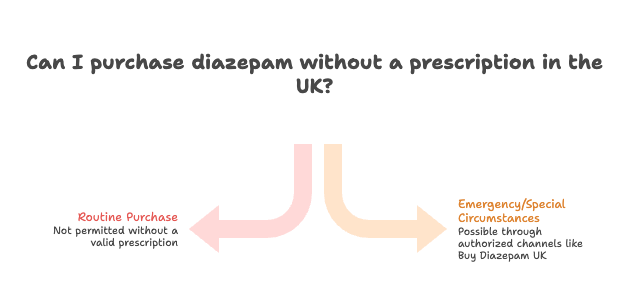
However, we at Buy Diazepam UK provide access to branded and verified benzos without a prescription. This means anyone can purchase 20+ different benzodiazepine tablets through our website.