

In the UK, more than 85 thousand patients were prescribed Diazepam over the last decade. Diazepam is a type of medication that is mainly used to calm the central nervous system. It works by enhancing the effects of a natural inhibitory neurotransmitter in the brain called GABA.
Diazepam as medication carries a huge importance for treating disorders like epilepsy, alcohol withdrawal symptoms, and muscle spasms, etc. The common dosages that are prescribed by the doctors include 2 mg, 5 mg, and 10 mg. Patients can find the best diazepam brands with us at Buy Diazepam UK. Our wide range of brand stocks includes Martin Dow Valium, Roche Diazepam, Sedil, Bensidin, and more.
In the UK and most other countries, access to diazepam medicines is tough without a prescription from your doctor. However, we offer the opportunity to buy such medicines without a prescription in times of emergency. Let’s keep reading on to know more.
What is Diazepam?
Diazepam is a widely prescribed Benzodiazepine, mainly used for anxiety, seizures, and muscle spasms to provide fast, effective medical relief. It falls under the CNS depressant drug classification. According to clinical studies reviewed by the FDA, approximately 70% to 85% of patients experiencing acute status epilepsy gain successful relief from seizures shortly after taking the medication.
According to Dr. Andrew Hart‑Pinto, “Diazepam, sold under the brand name Valium, is a benzodiazepine and CNS depressant used for anxiety, muscle spasms, and seizures.” Diazepam was discovered in 1959 by chemist Leo Sternbach. It is a generic medication that works by enhancing GABA. Diazepam is produced through a multistep chemical reaction in the laboratory.
With an interesting work procedure, diazepam has a revealing history too.
What is the History of Diazepam?
The history of Diazepam started in the late 1950s as part of a pharmaceutical revolution that aimed at finding a safer alternative to barbiturates. It was used at that time, which was highly addictive and dangerous. First synthesized by Leo Sternbach at Hoffmann-La Roche in 1959, it was launched in 1963 as a safer and more effective alternative to barbiturates for the treatment of anxiety, muscle spasms, and seizures. From the late 1960s to the early 1980s, it became the most prescribed drug in the Western world, earning the nickname “Mother’s Little Helper”.
It helped people by working better than the older sedatives. It works by enhancing the effect of gamma-aminobutyric acid (GABA). This increases the neural inhibition that reduces the excessive neural activity in the brain. Mainly, the rapid action of diazepam made it more and more famous, and it is widely used to this date.
Now, we will discuss what scientists have discovered about the working procedure of Diazepam.
How Does Diazepam Work?
Diazepam works by amplifying the inhibitory effects of GABA (gamma-aminobutyric acid), which is a primary calming neurotransmitter in the brain. Diazepam slows overactive nerve signals in the central nervous system, leading to reduced anxiety, muscle relaxation, and a calming effect. Diazepam binds to specific GABA-A receptors that make them more sensitive to GABA’s calming signals. The influx of this inhibitory activity effectively shuts down the abnormal, excessive electrical activity.
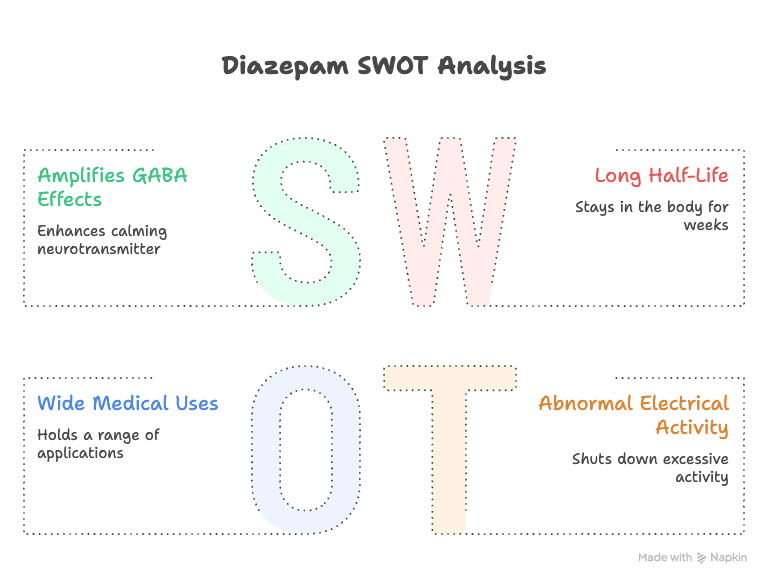
The half-life of Diazepam is between 20 and 50 hours of the parent drug itself. The body breaks it down into active metabolites, resulting in the half-life extended to 36 to 200 hours. As a result, Diazepam might stay in the body for several weeks.
With its simple work process, Diazepam holds a wide range of medical uses.
What Are the Medical Uses of Diazepam?
The medical uses of Diazepam include Anxiety disorders, muscle spasms, epilepsy, alcohol withdrawal symptoms, insomnia, and some other diseases. The main medical uses of Diazepam are listed below.
- Anxiety Disorders: Anxiety disorder is a chronic mental health condition that involves persistent worry. Diazepam amplifies the neurotransmitters of the brain, which shows a positive impact in this.
- Short-Term Anxiety Relief: Short-term anxiety relief means the rapid action of diazepam to reduce the intensity of situational stress. It works on the central nervous system to increase calmness.
- Muscle Spasms: Muscle spasms are involuntary muscle contractions that can physically harm the body in the long run. Diazepam acts as a relaxing medication by enhancing GABA inhibition, which effectively reduces the pain.
- Seizure Disorders or Epilepsy: Epilepsy or seizure disorders are types of neurological conditions that cause recurrent seizures. Diazepam acts on neurotransmitters in the brain that help stabilize neural signals.
- Alcohol Withdrawal Symptoms: Alcohol withdrawal symptoms are the type of physical distress when the patient suddenly stops heavy drinking. Diazepam relieves the tremors and agitation that help detoxification of the body.
- Pre-Procedure Sedation: Pre-procedure sedation is the administration of pain-relieving medication to the patient before a medical procedure. Diazepam reduces the anxiety and discomfort of the patient.
- Insomnia: Insomnia is a medical condition in which a patient is severely deprived of sleep. Diazepam helps patients fall asleep faster by decreasing sleep latency.
- Restless Legs Syndrome: Restless legs syndrome is a condition in which the patient has an uncontrollable urge to move the legs. Diazepam helps reduce the uncomfortable sensations and involuntary movements.
- Panic Attacks: Panic attacks are a condition in which the patient experiences intense fear on a sudden basis. Diazepam reduces the physical symptoms of it, such as a racing heart rate and shortness of breath.
- Agitation: Agitation means a state of extreme restlessness and irritability. Diazepam calms the nervous system to reduce the patient’s psychiatric crisis.
- Vertigo: Vertigo is a medical condition in which the patient experiences a sensation of spinning or dizziness. Diazepam is used to manage the vestibular and other symptoms related to inner-ear imbalances.
- Tetanus: Tetanus is a serious bacterial infection when a special kind of becteria enter the body through wounds. Diazepam is used to control the violent, painful muscle rigidity characteristic of the Clostridium tetani toxin.
- Spastic Muscular Paresis: Spastic Muscular Paresis is a condition in which the patient has weakness combined with muscle stiffness. Diazepam manages hypertonia to improve the patient’s overall mobility and comfort.
- Stiff Person Syndrome: Stiff Person Syndrome is a rare neurological disorder in which the patient suffers from painful muscle spasms and rigidity. Diazepam reduces muscle stiffness and painful spasms.
- Organophosphate Poisoning: Organophosphate poisoning means exposure to toxic pesticides or nerve agents. Diazepam acts as an anticonvulsant to prevent permanent brain damage.
- Oxygen Toxicity: Oxygen toxicity means the harmful effects of breathing high-pressure oxygen. Diazepam is used to prevent seizures caused by oxygen overexposure.
- ADHD: ADHD is a mental health condition that involves inattention and hyperactivity. Diazepam is used to treat, or sometimes to manage, severe secondary ADHD.
For the wide range of medical usage, the dosage may vary, and depending on the dose, diazepam lasts in the body for a different timeline.
How Long Does Diazepam Last?
Diazepam lasts for a few hours after the effect to several weeks before fully clearing out from the patient’s body. The effects of diazepam usually last around 6 to 12 hours because it is a long-acting benzodiazepine.
The drug can remain in the system for 10 to 21 days or longer due to its long half-life. The effects of diazepam may vary depending on the prescribed dosage.
What are The Common Dosages of Diazepam?
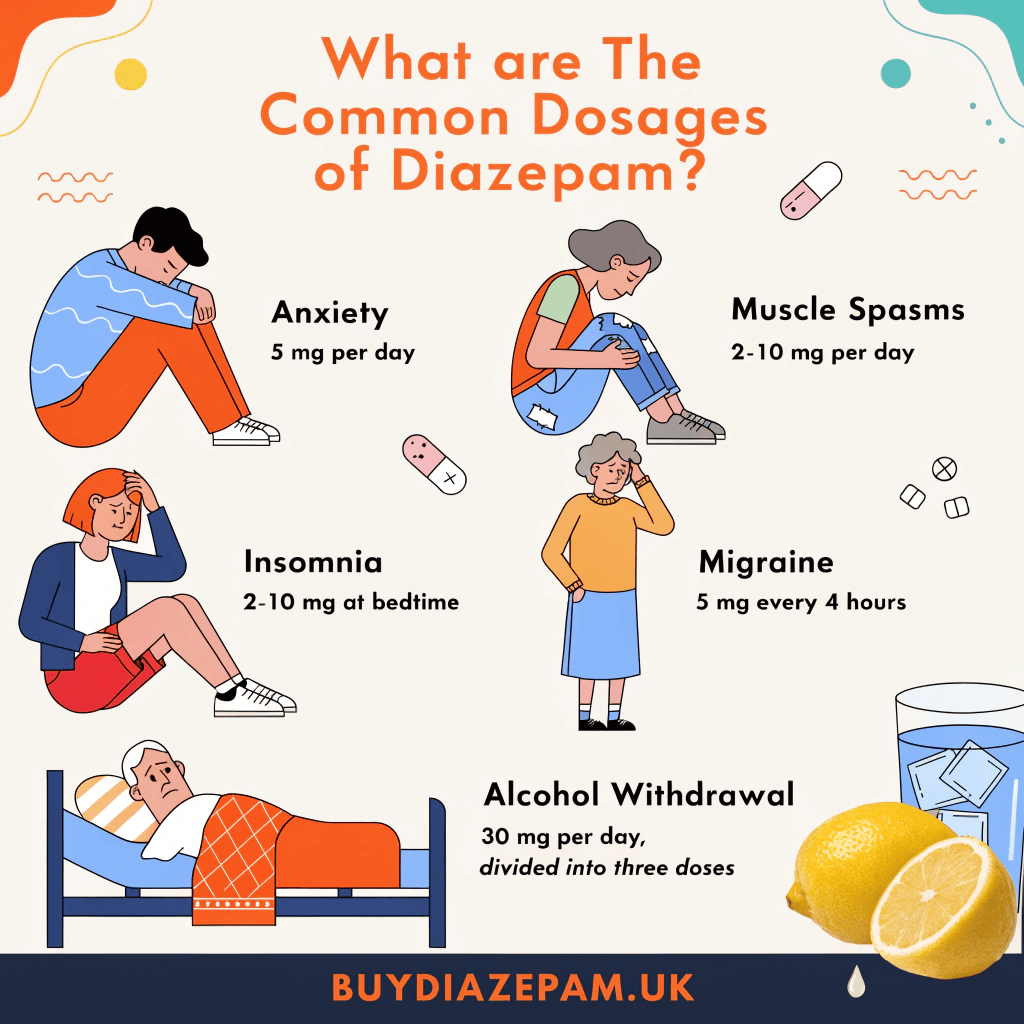
The common doses of Diazepam include 2 mg, 5mg, and 10mg. The common dosages of Diazepam are listed below.
- 2mg: 2mg is a low level of dose that is mainly used for mild symptoms. It may also reduce any kind of prior side effects.
- 5mg: 5 mg is a medium level of dose that is used for moderate muscle spasms or anxiety. The patient should consult the doctor for an effective dose.
- 10mg: 10 mg is a high dose that is used for severe cases like acute seizures or intense muscle rigidity. This level of dose has a high possibility of side effects.
Diazepam has several side effects. So, patients should not consume them without a doctor’s prescription.
Are There Any Side Effects of Diazepam?
Yes, there are side effects of Diazepam, including common daily disruptions to severe health risks. The common and serious side effects include drowsiness, dizziness, cognitive impairment, physical dependence, respiratory depression, and overdose.
The use of diazepam for a long period may carry long-term risks. It includes high tolerance, experiencing chronic memory issues, and facing withdrawal symptoms. Also, sometimes people misunderstand diazepam for lorazepam. But both have different dosages and use cases. As a result, lorazepam can’t be used as an alternative to diazepam generally.
What’s the Difference Between Diazepam and Lorazepam?
Diazepam and Lorazepam both fall under the same benzodiazepine category. However, the difference between these two anxiolytics is slightly different, as presented in the table below.
| Feature | Diazepam | Lorazepam |
| Definition | A long-acting benzodiazepine used mainly for muscle relaxation and chronic anxiety disorders. | An intermediate-acting benzodiazepine is mainly used for acute clinical reasons. |
| Examples | The example of Diazepam can be Valium | The example can be Ativan. |
| Duration of Action | Long-acting; effects can last 12–24 hours, with after-effects staying for days. | Intermediate-acting; typically provides relief for 6–12 hours. |
| Onset Time | Very rapid in the time of action | Intermediate; it takes a bit longer to start the action. |
| Common Clinical Uses | Muscle spasms, alcohol withdrawal, long-term anxiety, and epilepsy. | Panic attacks, preoperative sedation, acute agitation, and nausea. |
| Main Difference | It stays in the system much longer and is more effective for muscle relaxation. | It has a shorter half-life and is generally preferred for elderly patients or those with liver issues. |
For the given reasons, diazepam and lorazepam are different. The same goes for alprazolam.
What’s the Difference Between Diazepam and Alprazolam?
The difference between Diazepam and Alprazolam is presented in the table below.
| Feature | Diazepam (Valium) | Alprazolam (Xanax) |
| Definition | A long-acting benzodiazepine mainly used for its sedative, muscle-relaxant, and GABA-enhancing properties. | A short-acting benzodiazepine is mainly produced to relieve acute emotional distress and panic. |
| Examples | For example Valium | For example Xanax |
| Duration of Action | Long-acting; has a very long half-life that may remain in the body for days. | Short-acting; effects wear off relatively quickly after providing relief to the body. |
| Onset Time | Very fast. It is highly lipid-soluble. So, it reaches the brain rapidly. | Intermediate to fast. typically takes 30 to 60 minutes to reach the blood concentration. |
| Common Clinical Uses | Chronic anxiety, muscle spasms, alcohol withdrawal, and managing acute seizure episodes. | Panic disorders, generalized anxiety disorder (GAD), and situational anxiety are related to depression. |
| Main Difference | Due to its long life, it is better for preventing withdrawal or relaxing muscles. | Provides intense relief from sudden panic attacks but has a higher risk of rebound anxiety. |
No matter how detailed the medication guide is, the patient has to take medication under the supervision of a doctor.
Is Seeing a Doctor Necessary Before Taking Diazepam?
Yes, seeing a doctor is necessary before taking diazepam because these drugs directly alter the brain’s chemical balance. Self-medication with wrong doses can be lethal.
Medical supervision in this case is really important as the doctor performs a comprehensive neurological evaluation and reviews the whole medical history. Because there may be underlying conditions similar to seizures, causing migraines, sleep disorders, or psychological issues.
Once treatment begins, ongoing monitoring is essential. Doctors monitor dosage, duration, side effects, and manage withdrawal risks if the drug needs to be stopped. Because tolerance and dependency can develop in case of seizures, professional monitoring helps prevent misuse.
What Are the Most Trusted Diazepam Brands?

The most trusted diazepam brands include Martin Dow Valium, Roche Diazepam, Sedil, Teva, etc. The most trusted Diazepam brands are listed below.
- Martin Dow Valium: Valium by Martin Dow is one of the top-reputed diazepam brands providing an excellent solution to anxiety problems and muscle spasms.
- Roche Diazepam: The Roche Diazepam is a different variant of the 10mg diazepam. It’s the authentic global brand of the medicine known for its efficiency and consistency.
- Sedil: Sedil is another reputed diazepam brand that helps to alleviate muscle and anxiety problems of patients.
- Teva: Teva is one of the best-known generic drug makers that manufactures quality and effective diazepam worldwide.
- Bensedin: Bensedin is a reputable diazepam brand from Europe with a good reputation for its effectiveness in the treatment process.
Among these reputed diazepam brands, you will find each of them in our online store.
How to Buy High Quality Diazepam in the UK?
The common ways to buy high-quality diazepam for seizures in the UK are listed below.
- Prescription Medication Providers: Trusted providers who offer certified, factory-sealed strips are a reliable choice. At Buy Diazepam UK, we deliver this with hundreds of satisfied customers.
- Authorized online pharmacies: UK-registered online pharmacies provide diazepam following prescription and safety checks.
- Online pharmacies: Certain online pharmacies specialise in authentic diazepam delivery. However, Verifying customer reviews and checking with smaller orders first is crucial to staying safe.
- Hospital prescription: Hospital doctors supply diazepam during supervised treatment or emergency care.
- GP prescription: A general practitioner assesses symptoms and prescribes diazepam when clinically appropriate.
For easy access to diazepam, one can visit our website to buy the best quality diazepam.
Is it Possible to buy Diazepam without a prescription in the UK, Australia, or Other Countries?

In the UK, more than 85 thousand patients were prescribed Diazepam over the last decade. Diazepam is a type of medication that is mainly used to calm the central nervous system. It works by enhancing the effects of a natural inhibitory neurotransmitter in the brain called GABA.
Diazepam as medication carries a huge importance for treating disorders like epilepsy, alcohol withdrawal symptoms, and muscle spasms, etc. The common dosages that are prescribed by the doctors include 2 mg, 5 mg, and 10 mg. Patients can find the best diazepam brands with us at Buy Diazepam UK. Our wide range of brand stocks includes Martin Dow Valium, Roche Diazepam, Sedil, Bensidin, and more.
In the UK and most other countries, access to diazepam medicines is tough without a prescription from your doctor. However, we offer the opportunity to buy diazepam in times of emergency or severe mental needs. Let’s keep reading on to know more.