
Anxiety Disorder is a type of mental health condition that can hamper our daily life and normal tasks with its several physical and emotional effects. Common types of anxiety disorders include generalized anxiety disorder (GAD), panic disorder, social anxiety disorder, specific phobias, agoraphobia, and separation anxiety disorder.
The main symptoms of anxiety disorder are feeling nervous or restless, increased heart rate, rapid breathing, sweating, concentration difficulties, and gastrointestinal issues. Anxiety disorders usually occur because of genetics, past trauma, environmental stress, and sometimes due to underlying medical conditions.
The main treatments of anxiety disorder are Psychotherapy, cognitive behavioral therapy (CBT), and short-term benzodiazepines such as diazepam. Diazepam is a type of benzodiazepine that works by amplifying the effects of gamma-aminobutyric acid (GABA). In the United Kingdom, diazepam medicines are usually bought through licensed pharmacies after getting a doctor’s prescription, because benzodiazepine medicines are legally controlled.
What is Anxiety Disorder?
Anxiety Disorder is a type of mental health condition caused by excessive fear or nervousness that works by altering threat-detecting brain chemicals, with symptoms of high heart rate, muscle tension etc. According to UK‑based anxiety surveys, around 31% of adults have experienced anxiety at some point.
According to Dr. Barakat, a psychiatrist, “Clinical anxiety can interfere with your work, relationships, sleep, and overall quality of life.” Anxiety works by hyperactivating the brain’s natural chemicals, mainly the amygdala, which works when a threat is detected, but in this case, even when no actual threat is present.
Anxiety disorder is mainly a neurological and psychological condition, but not contagious at all. Professionals today keep it under the DSM-5 classification, as this disorder has a diverse history.
What is the History of anxiety disorders?
The history of anxiety disorders dates back to ancient civilizations, when knowledgeable people started documenting various physical and mental impacts of high amounts of fear. During the early historical times, ancient Greek descriptions of hysteria and irrational fears were found, and often they were viewed as philosophical or spiritual issues.
The medical acknowledgment of GAD as a disorder dates back to the 19th century with the development of neurasthenia by George Beard and anxiety neurosis by Freud; however, breakthroughs were made in the 20th century with DSM-I, which included neuroses in its classification in 1952, and DSM-III, which included GAD and panic disorders in 1980
Along with the history, it is necessary to know the difference between normal anxiety and anxiety disorders.
What is The Difference Between Normal Anxiety and Anxiety Disorder?
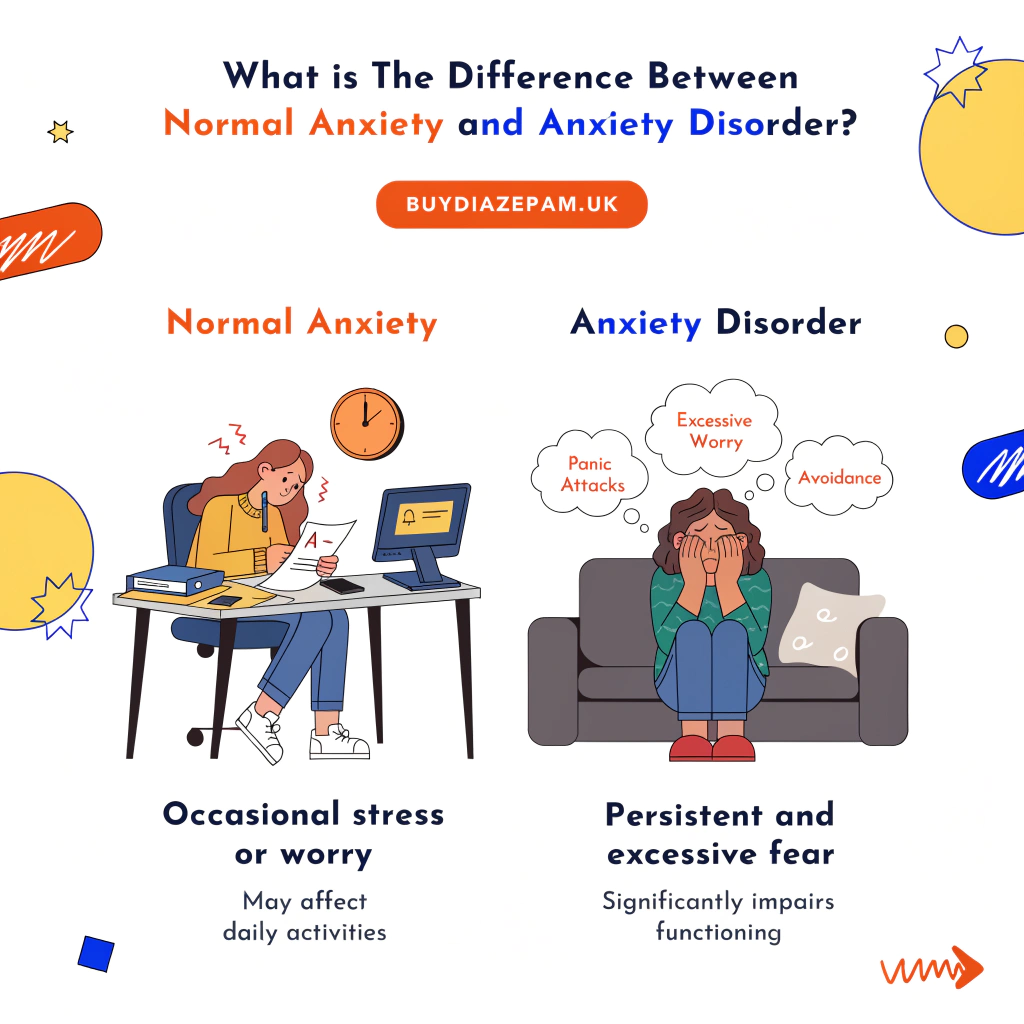
The difference between normal anxiety and anxiety disorder is presented in a table below.
| Feature | Normal Anxiety | Anxiety Disorder |
| Definition | A natural, short-term emotional and physical response to a specific stress event or threat. | A chronic mental health condition caused by excessive, persistent, and often irrational worry. |
| Stress Response | The body’s natural threat response system activates appropriately in response to a real problem and deactivates once the arised situation is resolved. | The threat response misfires that trigger severe physical and emotional reactions even when no actual danger is present. |
| Fear Types | The fear is Proportional to the situation | The fear is Disproportionate to the situation |
| Duration | Temporary and short-lived | Persistent and long-lasting, sometimes for months, even years. |
| Daily Functioning Impairment | Normal function impairment is close to zero | Severely disrupts the daily and normal activities of life. |
Under the main branch, anxiety disorders have various types.
What are The Types of Anxiety Disorders?
The types of anxiety disorders include Generalized Anxiety Disorder (GAD), Panic Disorder, Social Anxiety Disorder, Specific Phobias, Aoraphobia, and Separation Anxiety Disorder. The types of anxiety disorders are listed below.
- Generalized Anxiety Disorder (GAD): Generalized Anxiety Disorder (GAD) is a chronic mental health condition that is caused by excessive, uncontrollable worry about everyday events without an obvious reason. It works by the neural system hyperactivity due to neurotransmitter imbalances caused by reduced GABA inhibition. According to research in the UK, the number of adults affected is about 5.9%, with 16% in Scotland reporting moderate‑to‑severe GAD‑like symptoms in 2021.
- Panic Disorder: Panic Disorder is an anxiety condition that causes unexpected panic attacks with a constant fear of having future attacks. In this disorder, the core fear is usually losing control or going crazy, with common triggers of high stress. Research Data says that panic disorder with or without agoraphobia affects about 1.7% of the UK population.
- Social Anxiety Disorder: Social Anxiety Disorder is an intense and persistent fear of being judged or negatively looked at by others during social situations. It works when the brain overstimates the threat of social rejection, with the key symptoms of blushing, sweating, trembling, and a rapid heart rate. Roughly 1.5–3.7 million UK adults could be affected with this disorder across severity levels.
- Specific Phobias: Specific Phobias are intense and irrational fears of specific objects, animals, or situations that usually have little or no actual danger. It works by triggering exaggerated amygdala responses to specific stimuli that bypass the normal fear processing. UK‑government‑style surveys show height fear (acrophobia) affects about 75% of those surveyed to some degree, and snake fear affects about 52%, though not all meet full clinical‑phobia criteria.
- Agoraphobia: Agoraphobia is a type of fear of being in places or situations where escaping might be hard or where help might be unreachable. Public transportation, being in open spaces, or being in a crowd mainly trigger Agoraphobia with the key symptoms of intense panic and isolation. About 0.5–1% of the UK population has full‑threshold agoraphobia, while roughly 1 in 8 (12–13%) experience milder agoraphobic‑type avoidance.
- Separation Anxiety Disorder: Separation Anxiety Disorder is an excessive and inappropriate fear or anxiety about separation from those to whom the patient is deeply attached. The brain’s attachment system becomes really sensitive, creating intense distress with several physical symptoms when separated from loved ones. UK‑based anxiety surveys show around 31% of adults have experienced anxiety at some point, and 19% in the last 12 months, within which separation‑type fears are common but not separately quantified.
To properly diagnose this disorder, one should know the common symptoms of anxiety disorder.
What are The Symptoms of Anxiety Disorder?
The symptoms of Anxiety Disorder include emotional symptoms, physical symptoms, cognitive symptoms, and behavioral symptoms. The symptoms of Anxiety Disorder are listed below.
- Emotional Symptoms: Emotional symptoms refer to when an anxiety disorder patient faces several emotional difficulties or barriers, rather than normal. Emotional symptoms of Anxiety Disorder are extreme restlessness, intense fear, being overwhelmed, irritability, and thinking of bad things will happen, etc. According to Dr. Michael Greicius, Stanford neurologist, “Anxiety fundamentally hijacks the emotional brain, turning molehills into mountains of terror.”
- Physical Symptoms: Physical symptoms refer to the physical problems faced by the patient in case of anxiety disorder. Physical symptoms of Anxiety Disorder are rapid heart rate, shortness of breath, sweating, muscle tension, fatigue, and gastrointestinal upset. According to Dr. Melissa Shepard, “Anxiety can cause so many physical symptoms too, such as fatigue, headaches, stomachaches, chest tightness, dizziness, blurry vision, sweating, and unfortunately many more.”
- Cognitive Symptoms: Cognitive symptoms for anxiety disorder mean that when the patient’s thinking capacity or mind is disrupted abnormally. Cognitive symptoms of anxiety disorder are mental disruptions such as racing thoughts, nonstop overthinking, difficulty concentrating, memory loss, and constant thinking of worst-case scenarios. According to Emma McAdam, LMFT, “Automatic negative thoughts are involuntary, habitual thoughts that focus on negatives, exaggerate problems, or predict disaster.”
- Behavioral Symptoms: Behavioral symptoms refer to when an anxiety disorder patient’s behaviour changes in a negative and restless way. Behavioral symptoms of anxiety disorder are the patient’s avoidance of triggers, restlessness, pacing, seeking constant reassurance, or compulsive checking. According to Dr. Keith Gaynor, psychologist, “Anxiety works psychologically in terms of the CBT idea that our thoughts and our behaviors influence how we feel.”
As the first symptoms of Anxiety Disorder are emotional, one should know that it is a mental disorder and act according to it.
Is Anxiety Disorder a Mental Illness?
Yes, anxiety disorder is considered a mental illness because including the first symptoms most of its symptoms are emotionally related. It is mainly characterized by intense, excessive, and persistent fear or worry that interferes with daily life, beyond normal temporary stress.
The common examples of anxiety disorders are Generalized Anxiety Disorder (GAD), Panic Disorder, Social Anxiety Disorder, and Specific Phobias, etc. These types of disorders are treatable and can be easily controlled with proper treatment. The treatments included psychotherapy, medication, lifestyle adjustments, and others.
To treat anxiety disorders properly, the medical professionals have to know the causes of anxiety disorders.
What are The Causes of Anxiety Disorder?
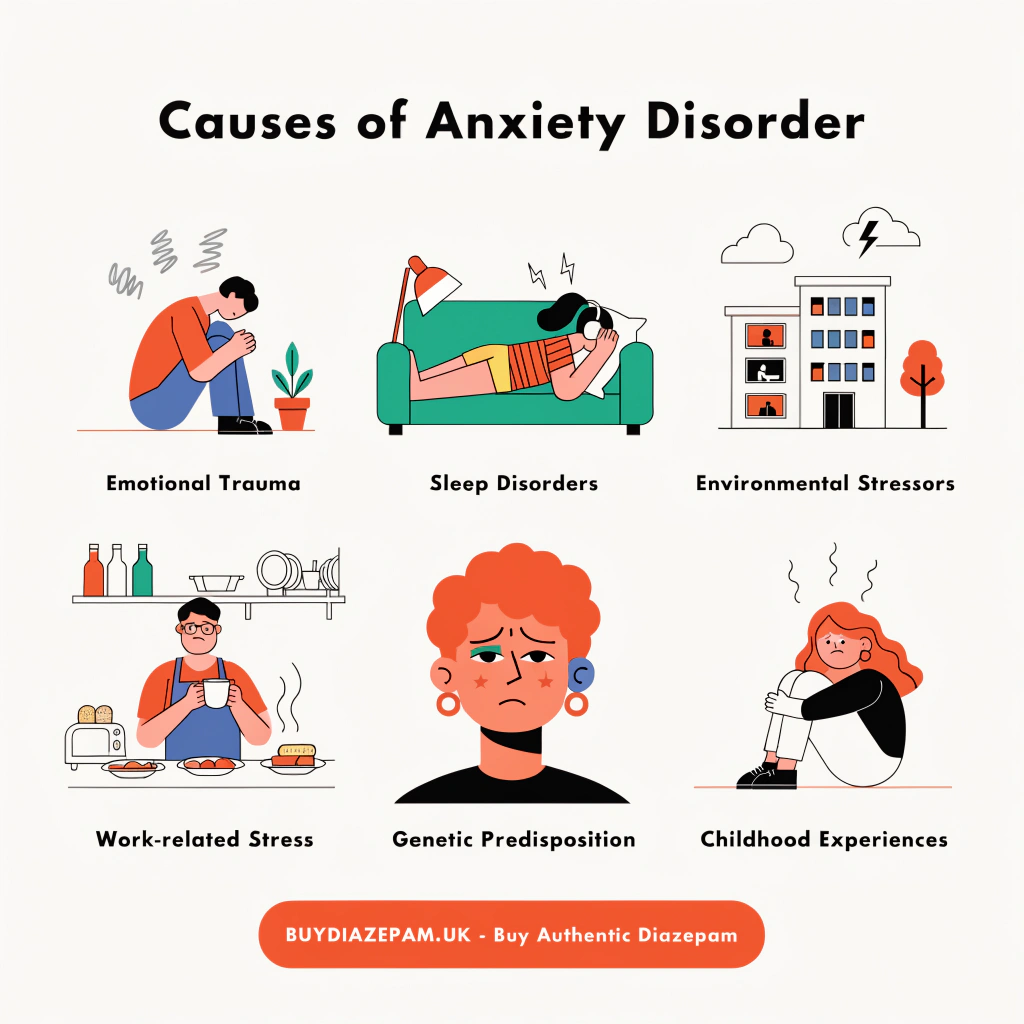
The causes of Anxiety Disorder include genetics, brain chemistry (neurotransmitters), trauma, Childhood Experiences, chronic stress, and environmental triggers. The causes of anxiety disorders are listed below.
- Genetics: Genetic causes of anxiety disorder mean characteristics inherited passed down from the family, which is a biological predisposition that makes the patient’s nervous system more likely to develop anxiety. According to Dr. Sanskriti Mishra, Mayo Clinic psychiatrist, “It’s a combination of biological predisposition, meaning if you have a strong genetic history of anxiety, you are more likely to feel the stress.”
- Brain Chemistry (Neurotransmitters): Brain chemistry-related causes for anxiety disorder mean the imbalance of regular neurotransmitters of the brain. Brain chemistry depicts the balance of neurotransmitters like serotonin and GABA, which regulate someone’s mood, fear, and stress responses. According to Dr. Barakat, a psychiatrist, “The role of genetics, stress, and brain chemistry contributes to anxiety disorders.”
- Trauma: Trauma-related causes for anxiety disorder mean the response to the aftereffect of a severe past event, which can be accidents, violence, or abuse, that persistently alters the patient’s brain’s threat-detection system. According to Hank Green,”Persistent stress or having experienced psychological trauma in the past can set you up for these attacks.”
- Childhood Experiences: Childhood experiences for anxiety disorder mean early life events, including neglect, loss, or unstable environments that shape how the patient’s brain perceives and handles any threats. According to an expert, “Anxiety conditions are caused by many factors like our genes, difficult past experiences.”
- Chronic Stress: Chronic stress means a state of mental tension that can be because of ongoing financial struggle or toxic environments, which overwhelms the nervous system in a bad way, that can develop anxiety disorders. According to Craig Sawchuk, “Anxiety can be caused by many things… tendency to be more physically reactive to changes.”
- Environmental Triggers: Environmental triggers mean the external situations that provoke fear, including overwhelming emotional input, sudden life changes, or stressful relationships that can start immediate anxiety. According to Dr. Sanskriti Mishra, “There are so many triggers. stress related to school. social interactions.”
When the causes of anxiety disorders are known very well, then the diagnosis of this disease becomes easier.
How Anxiety Disorders Are Diagnosed?
The main ways to diagnose Anxiety Disorder are listed below.
- Physical Test: A professional doctor checks medications and the medical conditions of the patient in case anything might trigger the anxiety symptoms.
- Psychological Evaluation: A professional psychiatrist evaluates and discusses the patient’s thoughts, feelings, and behavioral patterns to understand if the patient has an anxiety disorder.
- DSM-5 Criteria: Medical professionals compare the patient’s experiences against the DSM-5 criteria.
- Clinical Interview: The professional doctor checks the patient’s medical history with current symptoms to diagnose the patient’s disorder.
- Differential Diagnosis: This type of diagnosis excludes other conditions (e.g., depression) or substance effects before confirming.
Curing Anxiety Disorder might be very challenging because the treatment of patients is a really long process.
Can Anxiety Disorder Be Cured?
No, Anxiety disorders cannot be cured as there is no fixed and permanent cure, but it is possible that it is highly treatable. As mentioned before, it is highly treatable because most individuals can achieve long-term remission and manage symptoms effectively.
The common treatment approaches include Psychotherapy and medication aimed at reducing symptoms to a manageable level. Although it is a highly treatable disorder, most individuals can achieve long-term remission and manage symptoms effectively.
There many treatment options based on the severity level of the anxiety disorder, but they are tightly regulated and recommended by the medical professionals to give a better treatment.
What are The Treatment Options for Anxiety Disorder?
The treatment options for anxiety disorder involve psychotherapy, medication, lifestyle, self-management, and other support systems. The treatments for Anxiety Disorder are listed below.
- Psychotherapy: Psychotherapy means treating the anxiety disorder patient with mental health help. To treat anxiety disorder properly, Psychotherapy is an effective method because it includes talk therapy techniques, behavioral therapy (CBT), exposure therapy, and mindfulness-based therapies. According to Dr. Andres Felipe Sciolla, “One of the most commonly and most well-known is cognitive behavioral therapy, which is a systematic training of the patient to identify certain thoughts and beliefs that can be challenged.”
- Medication: Medication for anxiety disorder means taking medical substances to control the neurotransmitters of the brain. Medications for anxiety disorder include SSRIs, SNRIs, benzodiazepines, which can be found in diazepam, and beta-blockers. These types of medications can be used for anxiety relief. According to Dr. Andres Felipe Sciolla, “Serotonergic antidepressants increase the transmission of serotonin in the brain and can alleviate some of the symptoms of anxiety.”
- Lifestyle and Self-management: Lifestyle and self-management mean changing daily habits and techniques, including exercise, meditation, yoga, and a healthy diet. proper sleep, etc. According to Dr. Andres Felipe Sciolla, “Activities including meditation, yoga, tai chi, and sports in general, aerobic exercise, can down-regulate the activation of the stress response system.”
- Support Systems: Support systems mean the social and community resources, which can be peer support, family interaction, online encouragement, and many more. According to Dr. Pamela S. Wiegartz, a Brigham psychologist, “With effective treatments like CBT, we can learn how to respond differently, manage symptoms, and keep anxiety from interfering.”
Before trying these treatment options, including medications, it is necessary to see a doctor first.
Is Seeing a Doctor Necessary Before Taking Anxiety Disorder Medications?
Yes, seeing a doctor is necessary before taking Anxiety Disorder medications because these drugs directly interact with the brain chemicals, which requires precision.
Before giving medications, doctors review medical history and rule out underlying conditions that require the best level of precision. For these reasons, Medical supervision is required to ensure safe, appropriate prescribing, prevent unnecessary interactions, and monitor for side effects like dependency with benzodiazepines.
Including diazepam, there are several medications best to treat anxiety disorder, depending on the type of the disorder or the condition.
What Are the Best Medications for Anxiety Disorder?
The best medications for Anxiety Disorder include Selective Serotonin Reuptake Inhibitors (SSRIs), Serotonin-Norepinephrine Reuptake Inhibitors (SNRIs), Benzodiazepines, Buspirone, and Beta-blockers.
The medications for Anxiety Disorder are listed below.
- Benzodiazepines: Benzodiazepines are found in Diazepam, which is a fast-acting anxiolytic that enhances GABA neurotransmitter activity in the brain and reduces tension, anxiety, and panic symptoms.
- SSRIs and SNRIs: SSRIs (Selective Serotonin Reuptake Inhibitors) and SNRIs (Serotonin-Norepinephrine Reuptake Inhibitors) are types of anxiolytics that increase serotonin or norepinephrine levels for long-term anxiety reduction.
- Buspirone: Buspirone is a non-benzodiazepine azapirone anxiolytic that acts as a partial serotonin 1A receptor and provides anti-anxiety effects with almost no dependence risk.
- Beta-Blockers: Beta-blockers are cardiovascular medications that are used to block adrenaline receptors and they reduce the physical symptoms of situational anxiety, for example, high heart rates.
The work procedure of Diazepam is really effective among these medications.
How Diazepam Works on Anxiety Disorders?
Diazepam, such as Valium, works on anxiety disorders by amplifying the inhibitory effects of the brain’s main calming neurotransmitter, which is called gamma-aminobutyric acid (GABA).
The main mechanism of Diazepam is related to the GABA neurotransmitter. As a benzodiazepine, it binds to GABA receptors, increases their efficiency, and reduces excessive brain activity, muscle tension, and physical symptoms of anxiety.
Diazepam can be a better option for anxiety disorders. So, it is necessary to know how to buy this.
How to Purchase Quality Diazepam for Anxiety Disorder in the UK?
The common ways to buy high-quality diazepam for anxiety disorders in the UK are listed below.
- Registered pharmacies: This includes NHS or private pharmacies dispensing diazepam legally with a valid doctor’s prescription.
- Hospital prescription: Hospital doctors supply diazepam during supervised treatment or emergency care.
- GP prescription: A general practitioner assesses symptoms and prescribes diazepam when clinically appropriate.
- Authorized online pharmacies: UK-registered online pharmacies provide diazepam following prescription and safety checks.
Although there are many ways to buy quality Diazepam in the United Kingdom, it is necessary to collect a prescription too.
Can a Person Buy Diazepam for Anxiety Disorder Without a Prescription in the UK?
No, it is not possible to buy diazepam for anxiety disorders without a prescription in the UK because it is a tightly regulated medicine that must be prescribed by a qualified medical professional to ensure safe use. Proper medical usage is needed for diazepam and any other benzodiazepines, because these can cause tolerance, dependence, or withdrawal problems if the prescribed dosage is not maintained.
Under UK law, diazepam is classified as a Class C, Schedule 4 controlled drug, which means its supply and possession are strictly controlled to reduce misuse, dependence, and safety risks.
Although the law requires a prescription, in rare emergencies or special situations, some shops or services may claim to help a person buy diazepam. We provide the opportunity to buy diazepam in the UK such cases as well.
Based on the types of anxiety disorders, symptoms, and causes of anxiety disorders, the treatments and doses of diazepam medication will be different. So, a professional’s consultation is highly recommended.