
A seizure is a fatal health condition across the globe. With types of generalized seizures and focal seizures, it can be harmful if not controlled. Seizures work by temporarily altering brain neural activity, including gamma-aminobutyric acid (GABA) signaling.
The main types of seizures are generalized seizures and focal seizures. The main symptoms of seizures are convulsions, staring spells, confusion, etc. Treatments usually include dietary therapy, surgery, neurostimulation devices, rescue therapy, and anti-seizure medications.
The generic medicine named diazepam works to treat seizures by enhancing the effects of a brain chemical called GABA. In the UK and most other countries, access to benzodiazepines, including diazepam medicines, is tough without a prescription from your doctor. However, we offer the opportunity to buy such medicines without a prescription in times of emergency. Keep reading on to know more.
What is a Seizure?
A seizure is a sudden, uncontrolled wave of neural signals in the brain that can cause temporary changes in your behavior, movements, and levels of consciousness. According to the World Health Organization (WHO), up to 10% of people worldwide will experience at least one seizure during their lifetime.
According to Dr. Joseph Sirven, a neurologist, “A seizure is basically an electrical storm in the brain; it is a short circuit of the brain’s normal electrical activity.” The main difference between a seizure and epilepsy is that a seizure is an isolated neurological event, but epilepsy is a chronic neurological disorder.
During seizures, the normal brain communication mechanism is disrupted due to the brain’s abnormal electrical activity. Abnormal electrical activity happens when large portions of neurons start sending signals without proper synchronization. Seizure is not a contagious condition.
In the 20th century, seizures were clinically recorded, but they have an ancient history in mankind.
What is the History of Seizure?
The history of seizures dates back more than 4,000 years, when humans referred to it as the “falling disease” or “sacred disease”. The early Mesopotamian records describe this as spiritual possession.
This view changed in ancient Greece. Hippocrates of Kos (c. 460–370 BCE) challenged it in his treatise On the Sacred Disease. It mentioned seizures as a physical disorder caused by brain imbalances. It was treated with a healthy diet and lifestyle change instead of some magical cures.
A major shift to modern understanding occurred in the 19th century. Researchers like John Hughlings Jackson (1835–1911) and Dr. Robert Bentley Todd (1809–1860) linked seizures to electrical and neurological dysfunction in the brain.
By the early 20th century, EEG technology (invented in 1924) confirmed electrical brain activity as central. It transformed seizures from a mystery to a treatable neurological condition.
Today, scientists have discovered how seizures work in the brain.
How Seizures Work in the Brain?
Seizures work in the brain by a sudden, synchronized, and excessive amount of abnormal electrical activity. It occurs when the balance between excitatory signals and inhibitory signals is disrupted. It mainly alters the gamma-aminobutyric acid (GABA).
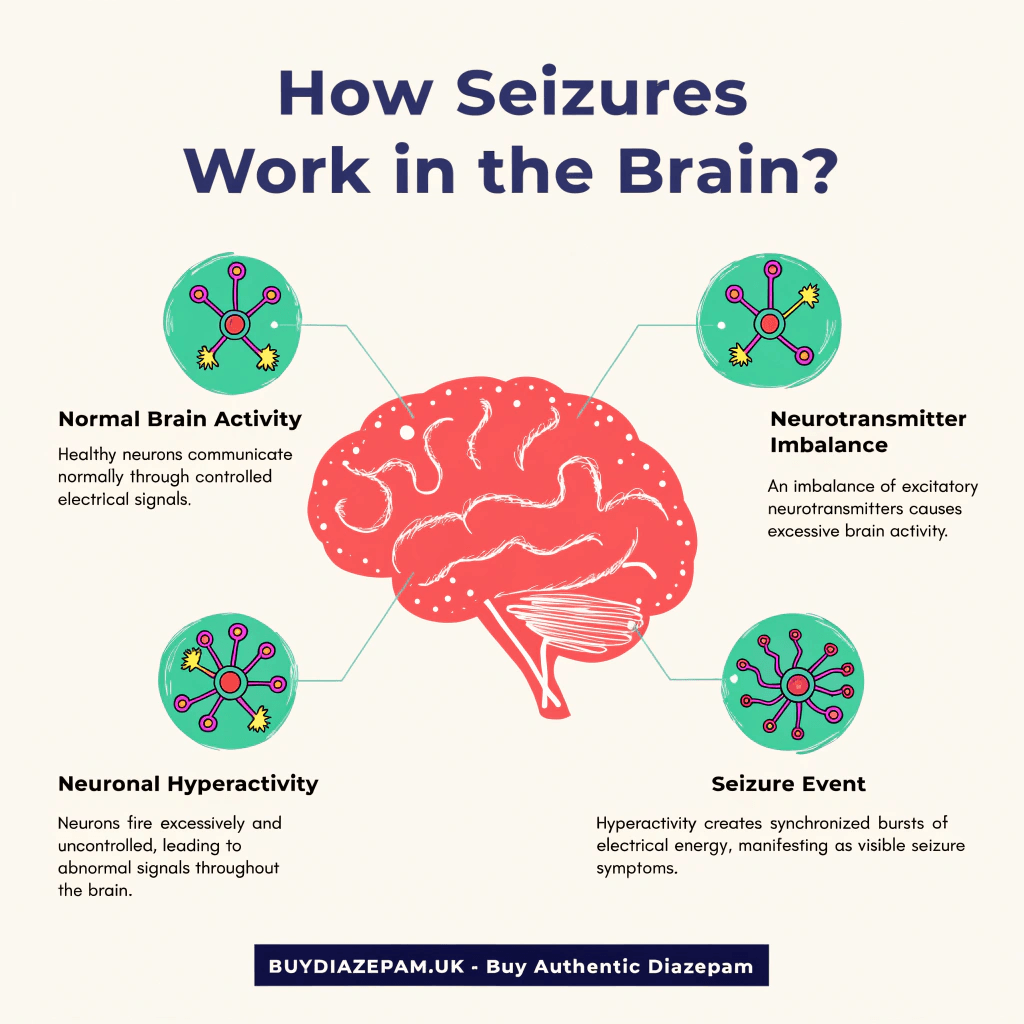
During seizures, a group of neurons becomes really excited and starts working all at once in an intense manner. At the cellular level, neurons and signal disruptions are the main causes of seizures. These signal disruptions may remain active in one area or spread across both hemispheres of the brain.
Firstly, the person can experience an Aura before the main seizures start. The seizures create an imbalance between excitatory and inhibitory brain chemicals that leads to excessive neuron firing, resulting in convulsions, altered consciousness, or unusual behaviors.
Based on the effect on the brain, there are several types of seizures.
What are The Types of Seizures?
The types of seizures mainly include generalized seizures and focal seizures.
The types of seizures are listed below.
- Generalized Seizures: Generalized seizures are seizures that occur on both sides of the brain at the same time from the very beginning, which leads to widespread signal disruption throughout the entire organ. These seizures work by rapidly spreading into the whole brain. It causes immediate loss of consciousness. The common types of generalized seizures include tonic-clonic, absence, Absence, Myoclonic and Atonic. According to the UK Epilepsy prevalence report, around 1 in 107 (approximately 0.94 percent) people get generalized seizures at least once in their lifetime.
- Focal Seizures: Focal seizures are which originate in a specific area or group of neurons on just one side of the brain, and sometimes they remain localized. These seizures work by affecting only the functions controlled by that specific region of the brain. It is mainly categorized into retained awareness and impaired awareness. These types of seizures generally start with an aura related to consciousness. According to UK‑based epidemiology data, focal seizures are mainly found in epilepsy patients, and UK‑specific childhood‑seizure studies estimate focal‑onset‑seizure incidence at about 25.1 per 100,000 children per year.
The different types of seizures carry different types of symptoms.
What are The Symptoms of a seizure?
The symptoms of seizure include convulsions, staring spells, confusion, sensory changes, emotional changes, and loss of bladder control. The symptoms of seizures are listed below.
- Convulsions: Convulsions during seizures are violent, irregular, and rhythmic physical movements caused by muscle contractions resulting in shaking or jerking of limbs or the whole body. According to Dr. Joseph Sirven, “A convulsion is basically an electrical storm causing the violent, involuntary rhythmic jerking of the muscles.”
- Staring spells: Staring spells during seizures are a sudden stoppage to consciousness where the patients become completely unaware of their surroundings, usually for under 15 seconds. According to Dr. Gustavo Nogueira de Holanda, “Epileptic seizures can have various manifestations, from convulsions to absence seizures characterized by staring.”
- Confusion: Confusion is a mental state that causes temporary disruption of thinking, memory, and awareness that usually occurs after seizures. It can occur during seizures, too. According to Dr. Varun Reddy G, “Seizures often involve warning symptoms, involuntary body movements, loss of bladder control, and confusion even after the episode ends.”
- Sensory Changes: Sensory changes during seizures mean the alteration of regular senses, such as experiencing unusual smells, flashes of light, hearing sounds, etc. According to Dr. Tawyna Constantino, “Symptoms of epilepsy include brief changes in behavior, brief sensory changes, convulsions, and staring spells.”
- Emotional Changes: Emotional changes during seizures mean sudden and unprovoked changes of feelings, including intense fear, panic, etc. According to Dr. Pavel Klein, “Emotional symptoms vary from repetitive involuntary movements to sudden emotional changes, confusion, and memory loss depending on the brain region.”
- Loss of Bladder Control: Loss of bladder control during seizures means the involuntary release of urine when seizures fully disrupt the mechanism of muscle control. According to Dr. Arun Oommen, “In true seizures, there may be eye rolling, tongue biting, loss of bladder control, and confusion after the episode.”
Seizures can last from seconds to minutes and carry different symptoms.
How Long Do Seizures Last?
Seizures last between a few seconds and several minutes, depending on the type. Some smaller seizures usually last only a few seconds. On the other hand, general seizures usually last 30 seconds to two minutes, and focal seizures may last 1 to 3 minutes.
If the seizures last more than 5 minutes, then it can be considered status epilepticus and require medical attention. Once these seizures are over, the brain enters the postictal phase. Through this method, the brain recovers from the damage.
It is necessary to act fast as the brain starts recovering after seizures.
What Happens After a Seizure?
After a seizure, a person typically enters a recovery phase, which is known as the postictal phase. The postictal state can last from minutes to hours or even days. Recovering from a seizure is a self-healing process of the brain.
The common aftereffects of seizures are fatigue, confusion, headache, muscle soreness, and memory loss. The immediate care for this is ensuring safety, placing the person on their side, and offering reassurance.
Even though the brain starts healing after the seizures, there are some recommended first aid measures for someone experiencing a seizure.
What is the Recommended First Aid for Someone Experiencing a Seizure?
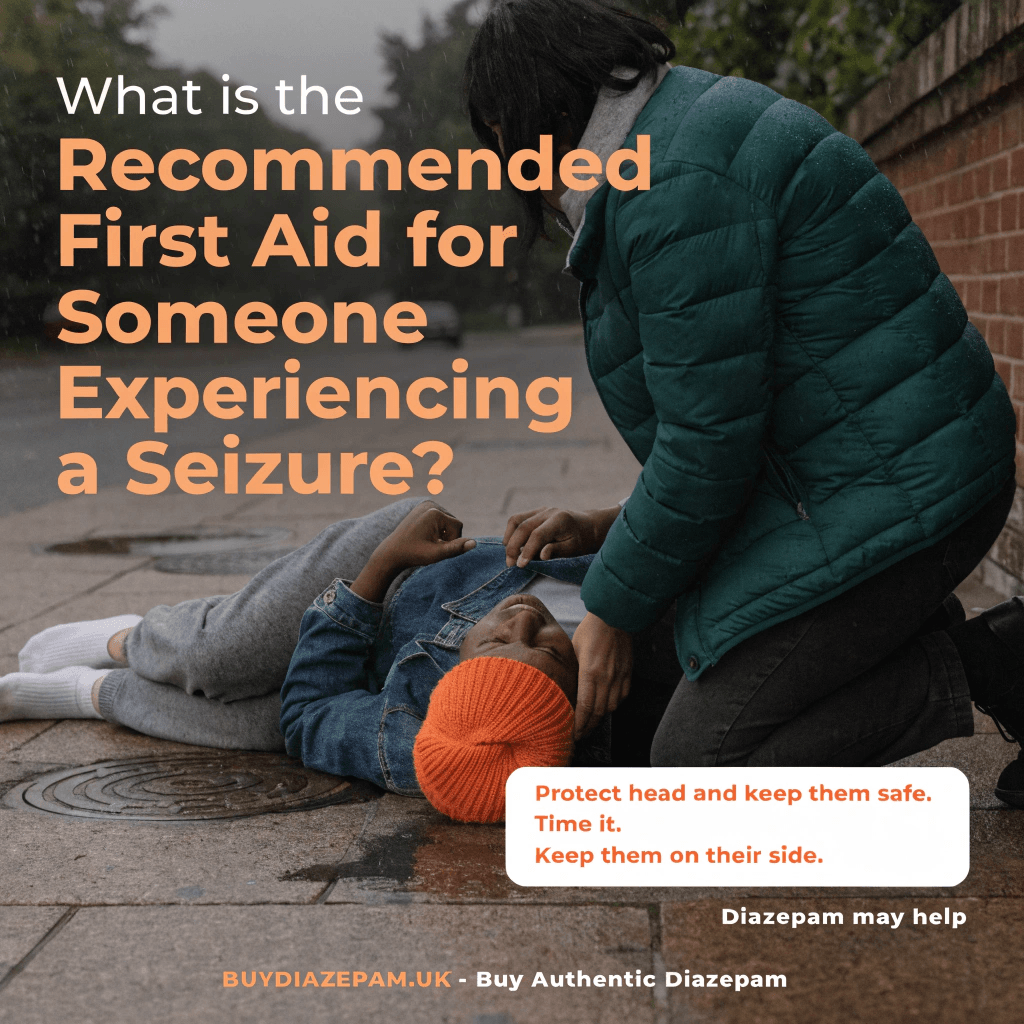
The recommended first aid for someone experiencing a seizure is to stay calm and stay safe from any dangerous objects. Also, the key immediate steps are to time the seizure and keep the person safe using the “Stay, Safe, Side” approach.
The responders have to ease them to the floor, turn them on their side, and place something soft under their head. Also, make sure not to restrain them or put anything in their mouth.
These seizures have several types of effects on a patient’s life.
How Does a Seizure Affect a Person?
The effects of seizures are listed below.
- Physical Health: Physical health is damaged to some extent because of seizures. It causes exhaustion, severe muscle soreness, and temporary physical weakness.
- Emotional Disruptions: Emotional disruptions are a common phenomenon for seizure patients. This includes ongoing anxiety, fear, or sudden mood changes like depression and irritability.
- Daily Lifestyle: Daily lifestyle work is highly interrupted due to seizures. The patients have restrictions on driving, swimming, or working at heights to ensure personal safety.
- Cognitive Function: Cognitive function is severely disrupted due to seizures. That causes temporary confusion, memory loss, and difficulty focusing or speaking clearly.
Behind these effects, there are several causes of seizures.
What are The Causes of seizures?
The causes of seizures include Genetic Causes, Neurological Causes, Infectious Causes, Metabolic and Substance Triggers, and Unknown Causes. The causes of seizures are listed below.
- Genetics Causes: Genetic causes mean the changes in a person’s genes that cause the neurons to behave abnormally, resulting in seizures. According to Dr. Joseph Sirven, “Many types of epilepsy run in families, pointing to a clear genetic link that lowers the threshold for having a seizure.”
- Neurological Causes: Neurological causes mean the structural abnormalities detected in the patient’s brain. This includes conditions like Epilepsy, stroke, brain injury, and brain tumors. According to Dr. Christopher DeGiorgio, “Structural changes in the brain from a stroke, brain tumors, or a traumatic brain injury are very common causes of adult-onset seizures.”
- Infectious Causes: Infectious causes mean severe infections of the central nervous system, which can cause seizures later on. This includes conditions like Meningitis, Encephalitis, and high fevers triggering Febrile seizures (children).
- Metabolic and Substance Triggers: Metabolic and substance triggers mean the chemical imbalance in the body that can damage the brain. This includes low sodium, low glucose, alcohol withdrawal, or drug abuse, etc. According to Dr. Omar Danoun, “Significant metabolic disturbances like very low sodium or glucose, as well as drug abuse and alcohol withdrawal, can directly provoke a seizure.”
- Unknown Causes: Unknown causes for seizures mean the undefined reasons or triggers behind the abnormal behaviour of the brain. This includes idiopathic seizures. According to Dr. Nathan Fountain, “In about half of the people who have a seizure, we can’t find a clear cause, which we medically classify as cryptogenic or idiopathic.”
We should watch out for the causes as seizures can be life-threatening.
Are Seizures Life-Threatening?
Yes, seizures can be life-threatening, although they are not common because they can happen due to external threats.
The risk of seizures includes accidental injuries like drowning, car crashes, or falls, and prolonged seizures such as status epilepticus. Most of the seizures resolve on their own, but longer seizures contain these threats.
To avoid these risks, we have to understand the triggers of seizures.
What Triggers a Seizure?
The common triggers of a seizure are listed below.
- Lack of sleep: Sleep deprivation lowers the brain’s seizure threshold, which makes it very vulnerable to abnormal electrical discharges.
- Missed medication: Skipping anti-seizure doses causes medication levels to fluctuate in the blood, which can be a trigger for seizures.
- Stress: High emotional or physical stress alters the brain’s chemical balance, increasing vulnerability to seizure activity.
- Alcohol and drugs: Heavy usage of alcohol and drugs disrupts the nervous system’s stability, which can trigger seizures.
- Illness and fever: High body temperatures or infections mess with the central nervous system, which can provoke seizures, especially in children.
How to Diagnose a Seizure?
The main ways to diagnose seizures are listed below.
- EEG: An EEG is used to detect abnormal brain activity in a seizure patient’s brain.
- MRI: MRI is used to create detailed images that reveal the structural causes of seizures.
- Neurological Evaluation: A neurological evaluation is used to test mental functions, behavior, and motor abilities.
- Medical History: Medical history is reviewed by the doctor to understand symptoms and patterns to detect seizures.
Although fully curing seizures is not possible, proper diagnosis can reduce their effects.
Are Seizures Curable?
No, seizures cannot be cured instantly, as there is no universal cure, but they are a highly treatable and manageable condition.
According to research by the World Health Organization (WHO), up tp 70% of people living with seizures can successfully control them with anti-seizure medications, dietary therapies, or surgery. But for the majority of these people, they can live completely seizure-free and maintain a normal, active lifestyle.
On the other hand, there are specific situations where a functional cure is possible. For example, some children may outgrow certain types, or surgery may remove the root cause and result in long-term seizure freedom.
With the right treatment, seizure patients can get much relief.
What are The Treatment Options for Seizures?
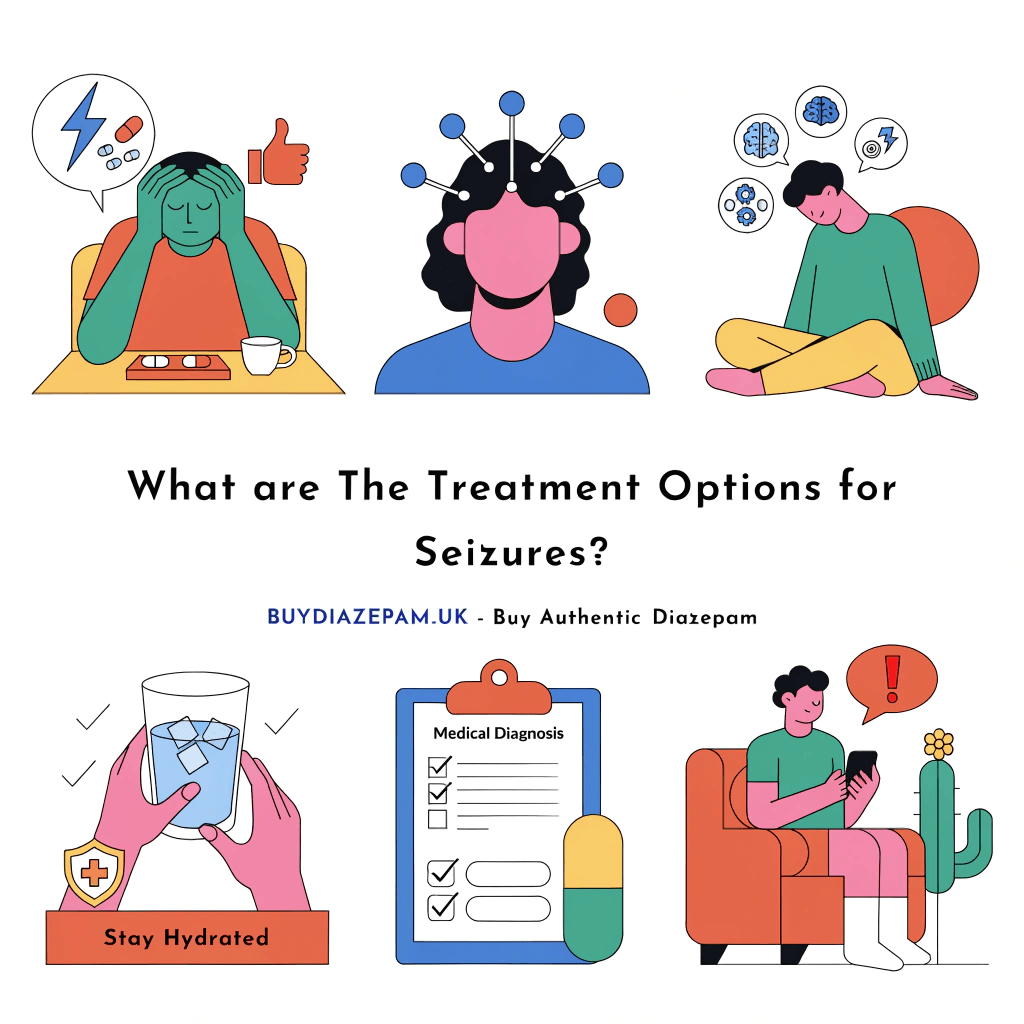
The treatment options for seizures involve dietary therapy, surgery, neurostimulation devices, rescue therapy, and anti-seizure medications. The treatments for seizures are listed below.
- Dietary Therapy: Dietary therapy means modifying a patient’s daily food habits to alter the brain metabolism. Dietary therapy includes high-fat and low-carbohydrate diets, such as the ketogenic diet. According to Dr. Omar Danoun, “Ketogenic diet has been shown to reduce or prevent seizures in many children whose seizures could not be controlled with medication.”
- Surgery: Surgery means removing or fixing the specific brain regions causing abnormal neural signals. Surgeries for seizures include procedures like temporal lobe resection. According to Dr. Joseph Sirven, “Thankfully, treatment with medications or sometimes surgery can control seizures for most people with epilepsy.”
- Neurostimulation Devices: Neurostimulation devices mean using specialized equipment to regulate neural signals that cause seizures. Neurostimulation devices include responsive neurostimulation (RNS) and vagus nerve stimulation (VNS) systems. According to Dr. Andrew Zillgitt, “Emerging therapies for seizures that use neurostimulation include vagus nerve stimulation, responsive neurostimulation, and deep brain stimulation.”
- Rescue Therapy: Rescue Therapy means doing rapid-acting treatments to stop the prolonged seizure emergencies. This includes using medications like FDA-approved nasal sprays. According to Dr. Farid Din, “Properly using FDA-approved nasal rescue therapy provides essential knowledge for safe and effective usage, ensuring you’re prepared in case of an emergency.”
- Anti-Seizure Medications: Anti-Seizure medications mean using a daily or prescribed dosage of medication to control the after-effects of seizures. This includes medications like Diazepam. According to Dr. Nathan Fountain, “There are multiple treatments for refractory epilepsy, including additional medication, surgery, devices, and dietary therapy.”
Before taking these treatments, it is necessary to consult a doctor.
Is It Important to Consult a Doctor Before Taking Anti-Seizure Medication?
Yes, seeing a doctor is necessary before taking seizure medications because these drugs directly alter the brain’s chemical balance. Self-medication with wrong doses can be lethal.
Medical supervision in this case is really important as the doctor performs a comprehensive neurological evaluation and reviews the whole medical history. Because there may be underlying conditions similar to seizures, causing migraines, sleep disorders, or psychological issues.
Once treatment begins, ongoing monitoring is essential. Doctors monitor dosage, duration, side effects, and manage withdrawal risks if the drug needs to be stopped. Because tolerance and dependency can develop in case of seizures, professional monitoring helps prevent misuse.
It is also necessary for the doctors to choose the best medications for seizures.
What Are the Best Medications for Seizures?
Benzodiazepines are the best medications for rapid seizure control. include a range of anticonvulsants, including lorazepam, diazepam, midazolam, and clonazepam.
The medications for Seizures are listed below.
- Diazepam: Diazepam is a rapid-onset drug. It is a benzodiazepine, used to quickly stop active emergency electrical storms or clustered seizures.
- Lorazepam: Lorazepam works quickly and lasts longer than diazepam. Doctors often use it in hospitals for ongoing seizures.
- Midazolam: Midazolam works very fast. It is useful in emergencies and can be given in different ways, even outside hospitals.
- Clonazepam: Clonazepam helps control certain seizure types. Doctors may use it for ongoing seizure management in some cases.
Among these varieties of medication, Diazepam might be a better solution.
How Diazepam Works on Seizures?
Diazepam works on seizures by acting as a powerful medication that rapidly stabilizes overexcited neural pathways.
Inside the brain, it works by enhancing the effects of GABA (gamma-aminobutyric acid), which is the main inhibitory neurotransmitter of the brain. Diazepam binds to specific receptors that make them more sensitive to GABA’s calming signals. The influx of this inhibitory activity effectively shuts down the abnormal, excessive electrical activity.
The primary usage of this med is as a fast-acting rescue medication for prolonged or cluster seizures, but not typically for long-term daily prevention. Diazepam is typically reserved for emergency intervention rather than long-term daily prevention.
To purchase good-quality Diazepam in the UK, people need to follow a specific methodology.
How to Purchase Quality Diazepam for Seizures in the UK?
The common ways to buy high-quality diazepam for seizures in the UK are listed below.
- Authorized online pharmacies: UK-registered online pharmacies provide diazepam following prescription and safety checks.
- Registered pharmacies: This includes NHS or private pharmacies dispensing diazepam legally with a valid doctor’s prescription.
- Hospital prescription: Hospital doctors supply diazepam during supervised treatment or emergency care.
- GP prescription: A general practitioner assesses symptoms and prescribes diazepam when clinically appropriate.
We provide Diazepam too when necessary or in cases of emergencies.
Can A Person Buy Diazepam for Seizures Without A Prescription in the UK?

Directly being able to buy diazepam is not possible in the UK. This benzo-class medicine is under strict regulation, and a person will usually require a prescription to buy the prescribed amount of diazepam.
Under UK law, diazepam is classified as a Class C, Schedule 4 controlled drug. It means supply and possession are under control to reduce misuse, dependence, and safety risks.
However, we at Buy Diazepam UK are one of those very few services that claim to help a person buy diazepam online without a prescription. Whether it’s your emergency need or sudden seizure requirement, we can help you with verified, factory-sealed, authentic diazepam 5mg and 10mg pills.