Muscle Spasm: Definition, Symptoms, Causes, Treatment, and Medications
Muscle Spasm: Definition, Symptoms, Causes, Treatment, and Medications
Muscle spasms are extremely common in the UK and in other countries such as Australia and the USA. Even statistics say that it affects 70% of people at some point in their lives. Also known as a muscle cramp, a muscle spasm presents with key symptoms such as acute, stabbing pain, muscle rigidity, and involuntary twitching. The main types of muscle spasm are classified by movement, such as flexor and extensor spasms, and by location, including leg cramps and back spasms.
The main causes of muscle cramps include dehydration, electrolyte imbalances, nerve compression, and muscle overuse. Treatments range from stretching and massage to temperature therapy, nutritional supplementation, and prescribed medications. Among the most effective medications for muscle spasm are diazepam (which we sell in bulk and retail for emergency cases), baclofen, cyclobenzaprine, and methocarbamol. Diazepam is the most well-known muscle spasm medication among others in the UK.
Diazepam acts by potentiating the inhibitory effects of GABA in the central nervous system, leading to decreased neuronal excitability and relaxation of skeletal muscles involved in spasms. In the UK, diazepam is a Schedule 4 controlled drug, so buying diazepam is possible only with a prescription, although certain regulated online pharmacies may assist eligible patients through an authorised online prescriber.
What is a Muscle Spasm?
A muscle spasm, or muscle cramp, is a sudden, involuntary, and often painful contraction caused by abnormal motor neuron activity, resulting in sustained muscle fibre shortening and transient functional impairment. According to epidemiological reviews such as those summarised in StatPearls and related primary‑care studies, muscle cramps affect about 50–60% of adults at some point in their lives, with nocturnal or night‑time cramps being especially common among individuals aged 60 and over.
According to Dr Eric Berg, the founder of the Berg Institute of Health & Wellness, “Magnesium is the relaxation mineral of the muscle, and that’s the one that you really want to take if you have cramps…that’ll just knock it out.”
Muscle spasms occur when a muscle is overstimulated and fails to relax following contraction. This usually happens due to disruptions in the electrical signals controlling muscle fibres, triggered by fatigue, fluid depletion, or compromised nerve function.
What Does a Muscle Spasm Feel Like?
A muscle spasm feels like a sudden, involuntary, tight contraction that can range from a mild twitch to severe, sharp pain and may feel hard or knotted to the touch. The affected muscle may appear visibly rigid or raised beneath the skin during an episode. The duration of a muscle spasm can last from a few seconds up to 15 minutes, and the symptoms may leave the area sore and tender long after the contraction subsides.
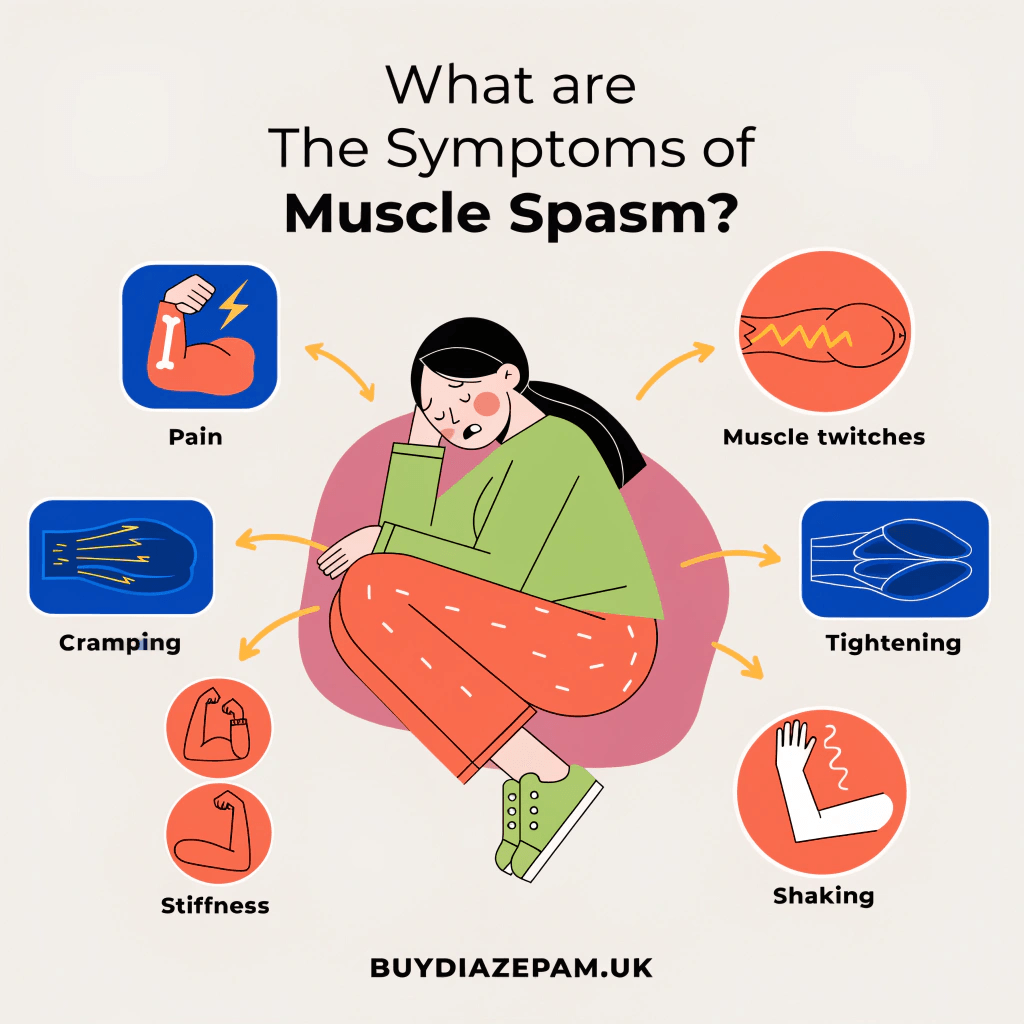
What are The Symptoms of Muscle Spasm?
The symptoms of muscle spasm include acute stabbing pain, muscle rigidity, uncontrolled twitching, noticeable tremors, reduced range of motion, and ongoing soreness.
The symptoms of muscle spasm are listed below.
Acute Stabbing Pain: Acute stabbing pain means a sudden, intense, sharp pain in the affected muscle that strikes without warning and can range from mild discomfort to severely incapacitating pain, often prompting immediate cessation of physical activity.
Muscle Rigidity: Muscle rigidity means a sustained hardening or stiffening of muscle tissue during a spasm episode, produced by continuous involuntary contraction associated with different types of spasms, particularly tonic variants.
Uncontrolled Twitching: Uncontrolled twitching means repetitive, involuntary muscle movements occurring in small or large muscle groups that are often visible as flickering beneath the surface of the skin and are unresponsive to deliberate control.
Noticeable Tremors: Noticeable tremors mean rhythmic, oscillating contractions of a muscle or muscle group that are visible to both the individual affected and to observers, typically indicating disruption of normal neuromuscular signalling.
Reduced Range of Motion: Reduced range of motion means a limitation in the normal movement of a joint or limb caused by tightness or a bulging muscle sustained by ongoing spasm activity, reducing functional mobility.
Ongoing Soreness: Ongoing soreness means a residual ache or tenderness in the affected muscle area that persists after the primary spasm has resolved, sometimes lasting several hours or into the following day.
What are The Types of Muscle Spasm?
The types of muscle spasm include those categorised by movement pattern, anatomical location, and other physiological classifications.
The types of muscle spasm are listed below.
Types of Muscle Spasms by Movement: Types of muscle spasms by movement means spasms classified according to the directional function of the muscle group involved in the contraction
Types of Muscle Spasms by Location: Types of muscle spasms by location means spasms classified according to the specific body region or muscle group in which the involuntary contraction occurs.
Other Types of Muscle Spasms: Other types of muscle spasms involve tetanic spasms, clonic spasms, and hemifacial spasms, classified by contraction pattern or underlying neurological involvement.
Types of Muscle Spasms by Movement
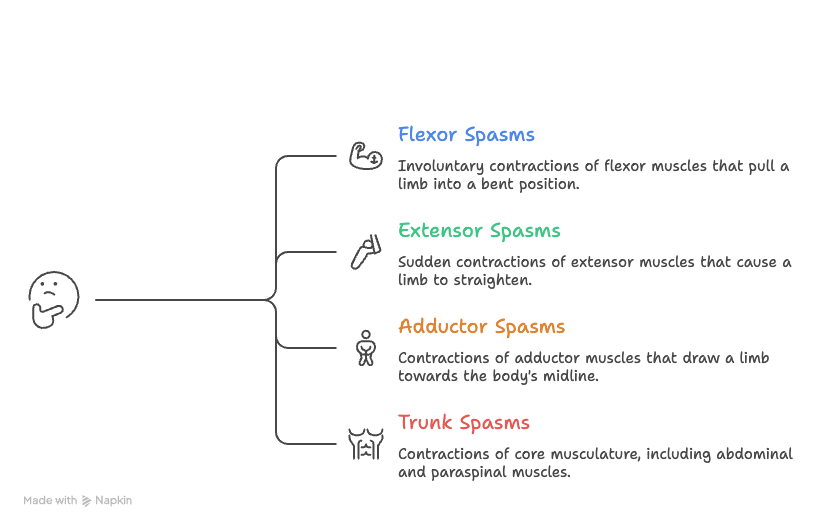
of muscle spasms by movement include flexor spasms, extensor spasms, adductor spasms, and trunk spasms, classified by the directional function of the affected muscle group.
Types of muscle spasms by movement are listed below.
Flexor Spasms: Flexor spasms mean involuntary contractions of flexor muscles that pull a limb into a bent or curled position, commonly associated with upper motor neuron lesions and spinal cord disorders.
Extensor Spasms: Extensor spasms are sudden contractions of extensor muscles that cause a limb to forcefully straighten, frequently observed in neurological conditions such as multiple sclerosis or cerebral palsy.
Adductor Spasms: Adductor spasms are contractions of the adductor muscles that draw a limb towards the body’s midline, most commonly affecting the inner thigh and groin during exertion or rest.
Trunk Spasms: Trunk spasms mean the contractions of the core musculature, including abdominal and paraspinal muscles, typically linked to spinal injuries, inflammatory conditions, or prolonged static postures.
Types of Muscle Spasms by Location
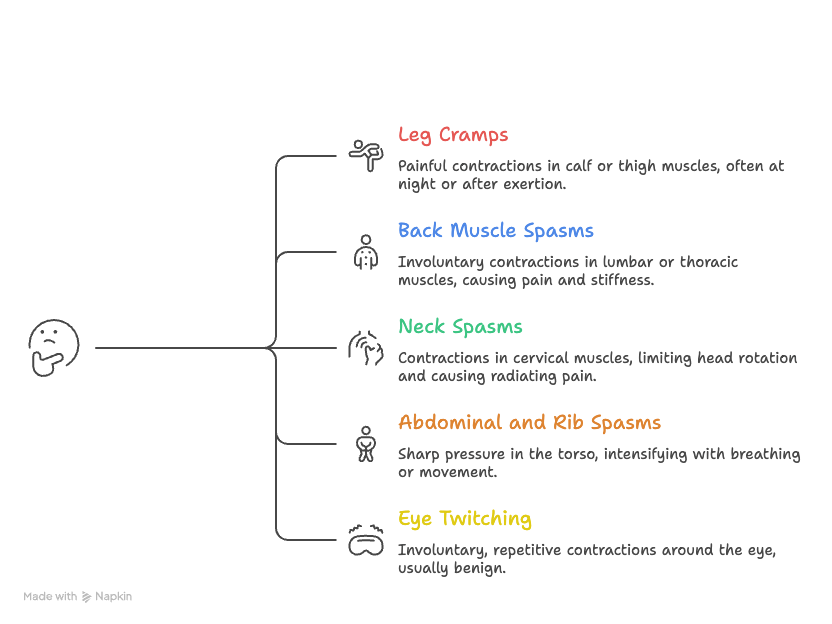
Types of muscle spasms by location include leg cramps, back spasms, neck spasms, abdominal or rib spasms, and eye twitching based on the affected body region.
Types of muscle spasms by location are listed below.
Leg Cramps (Charley Horse): Leg cramps (charley horse) mean painful, involuntary contractions predominantly affecting the calf or thigh muscles, commonly occurring at night or immediately following sustained physical exertion.
Back Muscle Spasms: Back muscle spasms mean involuntary contractions of the lumbar or thoracic musculature, commonly triggered by acute injury, poor posture, or disc-related nerve compression, causing referred pain and stiffness.
Neck Spasms: Neck spasms are painful, involuntary contractions of the cervical muscles that limit head rotation and can radiate discomfort into the shoulders, upper back, or base of the skull.
Abdominal and Rib Spasms: Abdominal and rib spasms are contractions of the intercostal or abdominal muscles, typically felt as a sharp, cramping pressure in the torso that intensifies with breathing or movement.
Eye Twitching (Fasciculations): Eye twitching (fasciculations) means involuntary, repetitive contractions of the orbicularis oculi muscle surrounding the eye, usually benign and linked to fatigue, caffeine, or stress, though persistent cases may indicate underlying neurological causes.
Other Types of Muscle Spasms
Other types of muscle spasms include tetanic spasms (sustained, whole-body tonic contractions), clonic spasms (rapid alternating contractions and relaxations), and hemifacial spasms (unilateral involuntary facial twitching caused by facial nerve irritation).
What are The Causes of Muscle Spasm?
The causes of muscle spasm include dehydration, electrolyte imbalances, muscle overuse and fatigue, nerve compression, pregnancy, certain medications, and underlying neurological conditions.
The causes of muscle spasm are listed below.
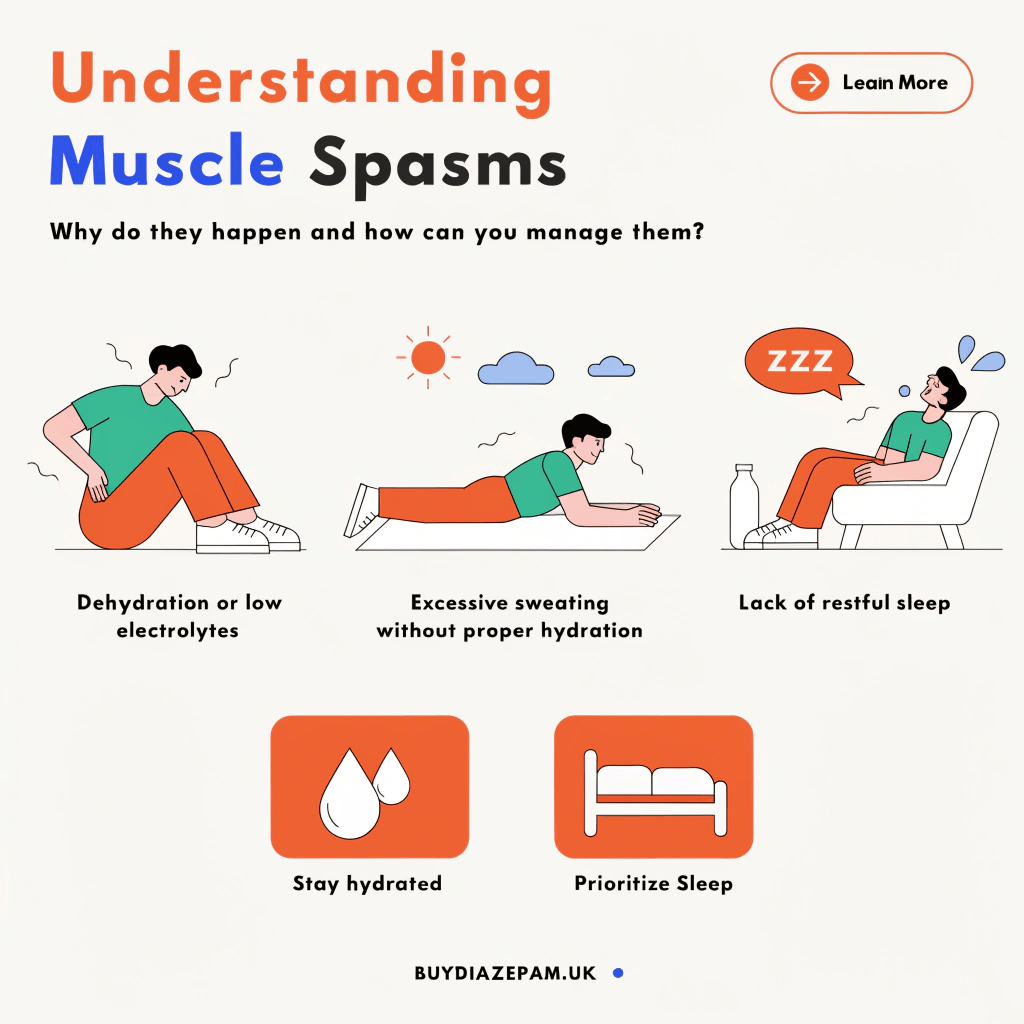
Dehydration: Dehydration means insufficient fluid intake that impairs the electrochemical environment surrounding muscle fibres, making involuntary contractions more likely across different age groups, from active children to elderly adults.
Electrolyte Imbalances: Electrolyte imbalances mean deficient or disproportionate levels of potassium, magnesium, calcium, or sodium in the body that compromise the electrical impulses required for normal muscle relaxation after contraction.
Muscle Overuse & Fatigue: Muscle overuse and fatigue mean cumulative strain or exhaustion of muscle fibres beyond their recovery capacity, disrupting calcium ion regulation within the muscle cell and producing sustained involuntary contraction.
Nerve Compression: Nerve compression involves pathological pressure applied to a spinal nerve root or peripheral nerve, such as from a herniated disc or spinal stenosis, that distorts motor signalling and triggers uncontrolled muscle activation.
Pregnancy: Pregnancy involves the physiological changes of gestation, including significant weight gain, altered venous return, and reduced magnesium availability, which substantially increase the frequency of leg cramps and muscle spasms, particularly during the second and third trimesters.
Underlying Neurological Conditions: Underlying neurological conditions mean disorders such as multiple sclerosis, motor neuron disease, or cerebral palsy that chronically interfere with nerve-to-muscle communication, producing persistent or recurrent involuntary muscle contractions.
Who Can Get Muscle Spasms?
Those who can get muscle spasms include children, pregnant women, athletes, and older adults.
Types of populations who can get muscle spasms are listed below.
Children: Children between 1 and 12 years of age are susceptible to muscle spasms due to rapid growth phases, intense physical activity, and inadequate fluid intake, with prevention centred on consistent hydration and appropriate warm-up routines before sport.
Pregnant Women: Pregnant women face an elevated risk of muscle spasms, particularly nocturnal leg cramps, driven by increased body mass, progesterone-related smooth muscle relaxation, and diminished magnesium levels during the second and third trimesters.
Athletes: Athletes are frequently affected by muscle spasms as a consequence of prolonged exertion, excessive perspiration, and cumulative muscle fatigue, making structured rehydration, electrolyte replenishment, and adequate recovery essential for prevention.
Older Adults: Older adults between 60 and 80 years of age are especially prone to nocturnal muscle cramps due to age-related reduction in muscle mass, declining peripheral circulation, polypharmacy side effects, and chronically reduced baseline hydration.
Is It Possible to Prevent Muscle Spasms?
Yes, it is possible to prevent or significantly reduce muscle spasms by combining consistent daily habits with early treatment of the underlying causes. The main prevention strategies include staying properly hydrated throughout the day, regular stretching, especially before exercise or sleep, and maintaining electrolyte balance through diet or supplementation.
Additional supportive habits include adequate potassium, magnesium, vitamin D3, K2, and calcium intake, avoiding prolonged immobility, and maintaining proper muscle conditioning through progressive training. Early treatment of contributing conditions, such as addressing nerve compression or correcting nutritional deficiencies, can substantially reduce both the frequency and severity of future spasm episodes.
What are The Treatments for Muscle Spasm?
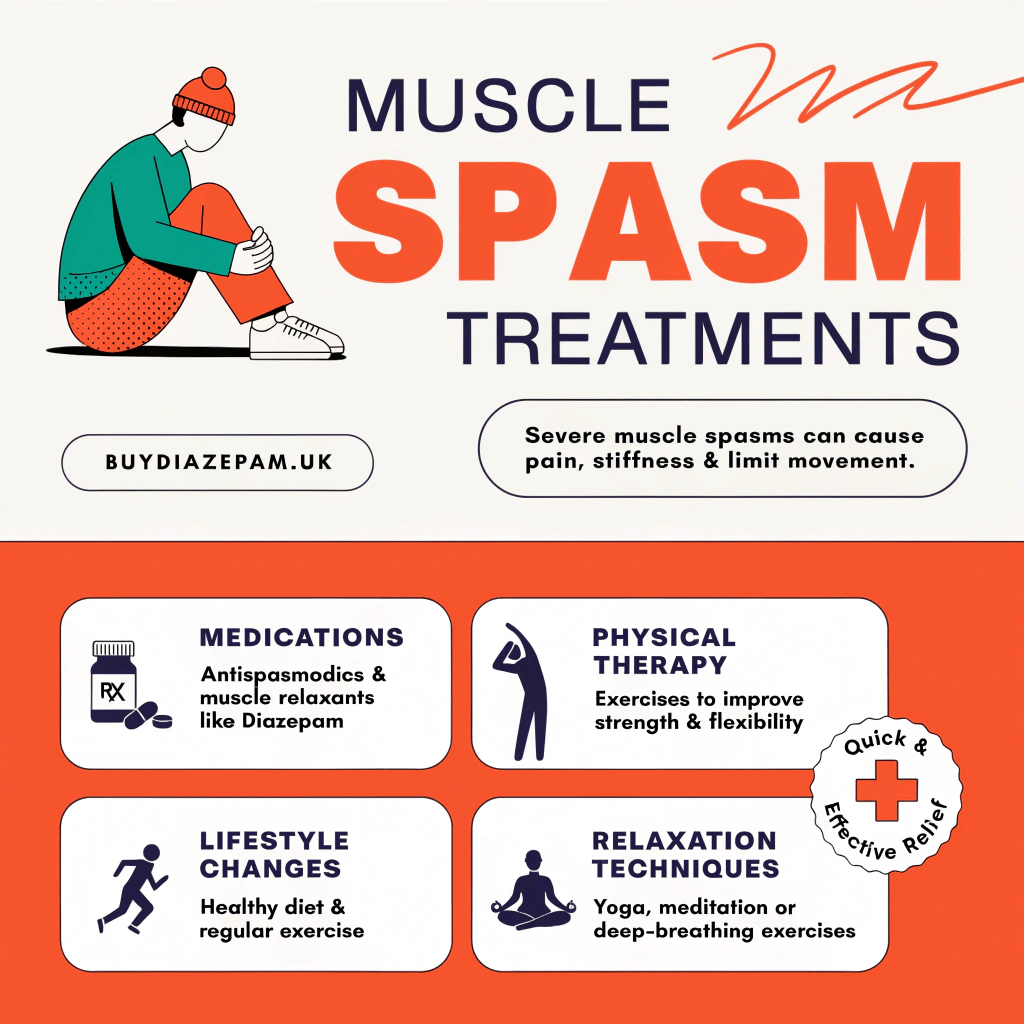
The treatments for muscle spasm include stretching, massaging, applying thermal therapy, maintaining hydration and electrolyte balance, resting, taking nutritional supplements, undergoing physiotherapy, and using medications.
The treatments for muscle spasm are listed below.
Stretching: Stretching means the deliberate, sustained lengthening of a contracted muscle to interrupt the spasm cycle and restore normal resting fibre length. According to a study published in the Journal of Athletic Training (2012), a structured pre‑sleep calf‑stretching programme significantly reduced the frequency of nocturnal leg cramps in adults aged 55 and over.
Massaging: Massaging means the manual application of targeted pressure and movement to soft tissue to increase local blood flow, reduce neuromuscular tension, and alleviate spasm-related pain. According to research published in Complementary Therapies in Clinical Practice (2018), therapeutic massage reduced both the reported frequency and intensity of muscle cramps in adults with chronic musculoskeletal conditions.
Applying Temperature Therapy: Applying temperature therapy means the use of controlled heat or cold on the affected muscle to relieve spasm and associated pain. Heat relaxes contracted fibres and improves circulation, while cold reduces acute inflammation. According to NHS‑linked clinical guidance on pain and muscle‑spasm management, applying a warm compress or taking a warm bath is often recommended as a simple, first‑line home strategy for relieving muscle stiffness and mild spasms.
Maintaining Hydration and Electrolytes: Maintaining hydration and electrolytes means ensuring adequate daily fluid intake alongside consumption of magnesium, potassium, and sodium, through food or supplementation, to sustain the neuromuscular environment required for normal muscle relaxation.
Resting: Resting means reducing or ceasing physical activity in the affected area to allow fatigued or overstrained muscle fibres sufficient time to recover and prevent secondary neuromuscular overstimulation.
Taking Nutritional Supplements: Taking nutritional supplements involves using targeted micronutrients, particularly magnesium, to correct deficiencies that predispose individuals to recurring spasms. According to a systematic review discussed in Magnesium Research and later confirmed by Cochrane‑style analyses, magnesium supplementation may modestly reduce cramp frequency in pregnant women, while its effect on older adults appears limited and uncertain.
Undergoing Physical Therapy: Undergoing physical therapy means working with a qualified physiotherapist to address the structural, neuromuscular, or postural factors driving recurring muscle spasms through targeted exercise prescription, manual therapy, and individually tailored rehabilitation programmes.
Using Medications: Using medications involves taking clinically appropriate pharmacological agents, such as diazepam, baclofen, or non-steroidal anti-inflammatory drugs, to relieve acute or chronic spasm under professional medical advice. Self-medicating with muscle relaxants without medical advice is strongly discouraged.
Is Medical Advice Necessary Before Using Muscle Spasm Drugs?
Yes, medical advice is necessary before using muscle spasm drugs because individual conditions vary significantly, and the wrong choice of meds can cause serious harm or mask an undiagnosed underlying condition. Consultation with a qualified clinician is essential to ensure that the medication is safe, appropriate, and necessary for the specific condition being presented.
Many muscle relaxers act as central nervous system depressants, may require a prescription, and can cause side effects, dependency, or dangerous drug interactions, particularly when combined with other sedatives or analgesics. Meds such as diazepam carry a well-documented risk of tolerance, physical dependence, and withdrawal symptoms, making medically supervised use non-negotiable.
What Are the Best Medications for Muscle Spasm?
The best medications for muscle spasm include centrally acting and peripherally acting agents, such as diazepam, baclofen, cyclobenzaprine, and methocarbamol, that address either the neurological or musculoskeletal drivers of involuntary contractions.
The medications for muscle spasm are listed below.
Diazepam: Diazepam is a benzodiazepine muscle relaxant that potentiates GABA-mediated inhibition in the central nervous system to reduce neuromuscular excitability and provide effective relief from severe or persistent spasms.
Baclofen: Baclofen is a GABA-B receptor agonist used primarily to treat spasticity associated with neurological conditions such as multiple sclerosis, spinal cord injury, and cerebral palsy.
Cyclobenzaprine: Cyclobenzaprine is a centrally acting skeletal muscle relaxant that reduces tonic motor activity at the brainstem level to relieve pain and stiffness associated with acute musculoskeletal conditions.
Methocarbamol: Methocarbamol is a carbamate-based skeletal muscle relaxant that acts centrally to depress polysynaptic nerve pathways and reduce muscle spasm-associated discomfort, typically prescribed for short-term symptomatic relief.
Tizanidine: Tizanidine is an alpha-2 adrenergic agonist that reduces spasticity by inhibiting excitatory neurotransmitter release at the spinal level, commonly prescribed for neurological spasticity in multiple sclerosis and spinal cord injuries.
Ibuprofen: Ibuprofen is a non-steroidal anti-inflammatory drug (NSAID) that reduces prostaglandin-mediated inflammation and pain associated with musculoskeletal muscle spasms, particularly those arising from acute injury or overuse.
Magnesium Supplements: Magnesium supplements are non-prescription nutritional interventions used to correct magnesium deficiency, a primary biochemical contributor to recurring muscle cramps in pregnant women, older adults, and endurance athletes.
How Does Diazepam Help Relieve Muscle Cramps?
Diazepam helps relieve muscle cramps by modulating central nervous system activity to suppress the excessive neuronal firing that drives involuntary muscle contractions. Diazepam acts as a central nervous system depressant and increases the effects of the inhibitory neurotransmitter GABA in the brain and spinal cord, binding to GABA-A receptors and enhancing chloride ion influx into neurons.
The result of this action is that diazepam reduces muscle neuron excitability, decreases muscle activation, and leads to sustained muscle relaxation, making diazepam particularly effective for spasms of neurological origin or those unresponsive to non-pharmacological interventions.
How to Find Quality Diazepam for Muscle Spasms in the UK?
The common ways to find quality diazepam for muscle spasms in the United Kingdom are listed below.
GP Prescription: A registered NHS general practitioner can clinically evaluate symptoms and issue a lawful diazepam prescription following a face-to-face or remote consultation.
NHS Specialist Referral: A consultant neurologist or musculoskeletal specialist can prescribe diazepam for patients with complex, chronic, or neurologically driven spasm conditions.
Regulated Online Pharmacy: A Care Quality Commission (CQC)-regulated online pharmacy can legally supply diazepam following review by a registered independent prescriber after an online medical consultation.
Private Medical Clinic: A private clinic can assess clinical suitability and issue a diazepam prescription for patients who require faster or more convenient access to treatment than NHS waiting times allow.
Hospital or Accident & Emergency: In acute or severe spasm episodes, hospital clinicians can administer or prescribe diazepam as part of inpatient management or emergency care protocols.
Is a Prescription Required to Buy Diazepam for Muscle Spasms in the UK?
Yes, a prescription is required to buy diazepam for muscle spasms in the UK because diazepam is classified as a Schedule 4 (Part 1) controlled drug under the Misuse of Drugs Regulations 2001 and a Class C substance under the Misuse of Drugs Act 1971. Its legal classification means it cannot be purchased over the counter at any pharmacy, and the unlicensed supply or possession of diazepam without a valid prescription constitutes a criminal offence.
The symptoms of muscle spasms, types of muscle spasm involved, and the specific causes must each be formally assessed by a qualified clinician before a prescription for treating muscle spasms can be lawfully issued. However, in emergencies or for special cases, some online pharmacies may help a person buy diazepam without an in-person appointment.
Patients are strongly advised to avoid unregulated sources, as counterfeit or unlicensed diazepam poses serious health risks. The presence of muscle cramp, twitching, or any other presentation of spasm should always be properly evaluated by a healthcare professional before any treatment with diazepam is initiated.
Share Now:
Facebook
Pinterest
Twitter
LinkedIn
Medically Reviewed By:
Dr. Alex Pavlovic
Consultant Psychiatrist • MRCPsych • MA • PGCert
Dr. Alex Pavlovic is a Consultant Psychiatrist and Medical Psychotherapist based in Sheffield. He works across both private practice and the NHS, focusing on adult mental health and psychotherapy. His approach combines clinical care with a strong interest in education and improving patient experience. He holds leadership roles at Sheffield Health and Social Care NHS Foundation Trust, where he supports staff development, inclusion, and training. Alongside this, he provides private therapy with a focus on psychodynamic work, while also using CBT and family-based methods when needed. Dr. Pavlovic is known for his work in gender care and is recognised by the Ministry of Justice for his expertise. He carries out assessments, provides treatment guidance, and prepares reports for legal and medical processes. His work also includes teaching, research, and organising training events to improve mental health services, Across all areas, he aims to offer thoughtful patient-focused care and support better standards in mental health practice.
Dr. Irfan Siddique
Dr. Alex Pavlovic is a Consultant Psychiatrist and Medical Psychotherapist based in Sheffield. He works across both private practice and the NHS, focusing on adult mental health and psychotherapy. His approach combines clinical care with a strong interest in education and improving patient experience. He holds leadership roles at Sheffield Health and Social Care NHS Foundation Trust, where he supports staff development, inclusion, and training. Alongside this, he provides private therapy with a focus on psychodynamic work, while also using CBT and family-based methods when needed. Dr. Pavlovic is known for his work in gender care and is recognised by the Ministry of Justice for his expertise. He carries out assessments, provides treatment guidance, and prepares reports for legal and medical processes. His work also includes teaching, research, and organising training events to improve mental health services. Across all areas, he aims to offer thoughtful, patient-focused care and support better standards in mental health practice.